Sometimes we seek out products that have imperfections without knowing it.
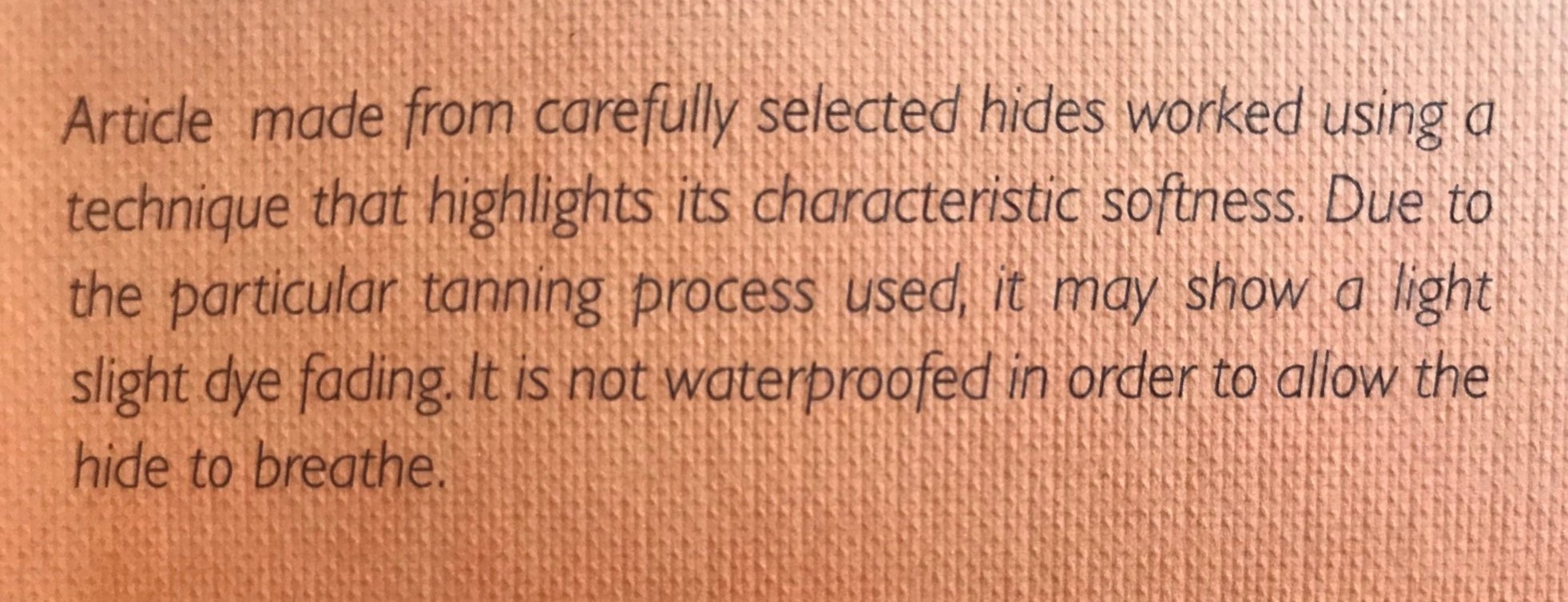
Like when you buy a handcrafted leather good or designer piece of clothing, and you open the package to see a card with a disclaimer stating that it may have defects, saying “this is a natural product which may have irregularities” or “may show a light dye fading”. The manufacturer may indicate that they skipped certain processes, like waterproofing, to allow the natural aspects of the material to shine through. And they may go out of their way to justify their position like saying the “materials were selected very carefully and made with craftsmanship care.”
Or how about when Vero Founder Sheila recently admired her quartzite countertop for its beauty despite visible irregularities. Uneven surfaces and natural fissures that mass-produced materials would eliminate created a beauty that allowed her to recognize that these imperfections enhanced rather than diminished its appeal.
Yet, with all of these potential issues, the manufacturer still stands by these abnormalities emphasizing that this shows the product’s expression of uniqueness and craftsmanship. Yet, when we see these disclaimers when opening the new purchase, we don’t bat an eye.
Likewise, the organic & farm-to-table movement has changed our idea of shopping for fruits and vegetables. Once upon a time, we were taught to look for the best looking apples, pears and tomatoes. Today, our habits have changed: we look beyond a slight mark, bruise or deformed shape as we are sifting through produce at a market or store. In fact, if an apple appears way too shiny and perfect, this sometimes leads to suspicion. We’ve gotten used to looking beyond the aesthetics of food and knowing that what counts is on the inside, beyond the surface.
Yet, some reason, this idea is lost with wine… we open a bottle of wine and wrinkle our noses when the slightest hint of imperfection or unexpected flavors creep out of our glass.
However, for us, this is actually the phenomenon that has drawn us to the world of wine. In fact, Sheila Donohue founded Vero over five years ago after realizing that the wines and olive oils we enjoyed so much from artisans and farmers in Italy and other countries in Europe were not available in the US. These products are small production and made by artisans who want to best express the natural elements which have allowed them to make their natural wines and organic extra virgin olive oils. While they take a minimal intervention approach to cultivating and making their natural products, it is not without painstaking efforts to care for their vineyards and olive oil trees, like pruning, mulching, thinning, checking on the plants and fruit all the way to making it, like allowing for a natural fermentation using the natural yeasts from the plant, or adding very little to no sulfites at bottling.
The result is a wine, or olive oil, with loads of variability, vintage to vintage, bottle to bottle, even from the moment you open it to when you’re sipping throughout a meal, or over a course of a couple of days. Call it what you like, natural wine, low intervention wine, artisanal wine, etc, changes in how a small production wine, like the ones Vero specializes in, looks, smells, tastes is a good thing, as it proves it is a truly natural, untampered product.
Yet this approach comes with its risks. That’s what the fashion designer houses call “irregularities” which is a hot topic in the wine world these days, especially with the recent surge in interest and popularity of natural wine.
We’ve tip-toed into this controversial topic, of what is a defect or not in a natural wine, in some of our recent articles like Elephants in the Natural Wine Room and this natural wine glossary addressing debate raging in the world of natural wines, like when is an imperfect wine too flawed? If beauty is in the eye of the beholder (or drinker), at what point does a wine become defected and undrinkable?
To learn more about Flaws in Wine, we’ve been turning to wine author and PhD Jamie Goode, like this presentation that he recently gave in Los Angeles about where he draws a parallel between wine flaws and the principle in the eastern philosophy that is called in Japan Wabi Sabi. Every so often, seeking out philosophies and approaches in Eastern cultures can be enlightening. And we think Jamie is onto something.
Let’s explore further the east vs west concepts of beauty and perfection.

An example of the Japanese art of kintsugi, using the philosophy of wabi sabi, where a broken bowl is mended using gold to create an imperfect, yet still beautiful object.
Beauty and Perfection in Eastern versus Western Cultures
Cultures vary widely the world over, especially between the generic cultural identities of the east and the west. Philosophy, art, esthetics, and beauty are some of the places where the widest culture gaps can be seen. For example, in the western Greco-Roman ideology, beauty = perfection and vice versa. Generally, perfection is viewed as without flaws.
However, crossing into another hemisphere, eastern culture is filled with examples where beauty = imperfection; or better said, without imperfections, one can never realize how perfect something truly is. Throughout several cultures we see examples of this: Buddhism and its practice of meditation relishes enjoying the moment, the emotion, the object, for what it is. Momentary imperfections represent real life, and is a show that you are experiences is true, real, and authentic.
Similarly, moving into Japan, we can talk about the philosophy of wabi-sabi. This is a Japanese term that means to focus on finding beauty in flaws and imperfections within life, in order to better accept the peaceful natural rhythms of growth and change. It is a movement that relishes asymmetry, simplicity, and irregularity. A well known example of wabi sabi is the art of kintsugi, whereby broken objects are repaired using a special artistic technique of fixing the cracks with gold, in order to create a new, entirely unique piece that is more beautiful than before thanks to its imperfection and broken cracks.
Overall, using techniques such as meditation, or philosophy such as wabi sabi, one can learn to appreciate the uniqueness of certain experiences and objects. Their flaws are what make then special, beautiful in their own way, much like us humans and our bodies and minds. And to be honest, we don’t see why this idea cannot be applied to wine as well.
What Does This Mean for Imperfections in Wine?
Most wines that make it to large national stores are mass produced wines out and made like a soft drink, to taste the same year after year; in fact, you can add up to 200 ingredients to wine and not disclose it on the label. Tasting these wines are enjoyable to those that are expecting their wine to have a standard taste, but what you miss out on is the discovery and recognizing a sense of place for that wine. That is often called terroir in wine, when the wine in your glass speaks to you about where it is from.

A spider makes his home in one of La Maliosa’s vineyards.
For example, natural wine producer Febo in Abruzzo was hesitant to introduce to the market their Pecorino wine, Rolland as the first year they made it, in 2020, was hot and dry that it results in an unrecognizable Pecorino, looking like an orange wine instead of a white wine. Once Vero founder, Sheila Donohue, tasted it, she loved how it was so different and concentrated in flavor and aromas, yet expressive of the natural conditions which made the wine. She convinced winery owner and vigneron, Davide Febo, to bottle it so we could bring it into the US for the first time along with their other natural wines.
Terroir is so important to wine and winemaking; places like Burgundy where a cru can be just a few rows demonstrate how soil, terrain and everything can change over a small area. A pinot noir can be made in California, France, Italy, Australia, South Africa… So what makes it special in all of these places? The land, the terroir, changes. That is why the terroir is so crucial when it comes to understanding a wine and understanding why that wine is special. The smaller the area the more pure the terroir expression in the product.
While mass market wines have predictable taste, with small production wines, it is almost like you need to look for the irregularities in the wine to understand where and how it was made. Do these differences between a California cab and a French cab make one right and one wrong? No. So why should certain irregularities be considered wrong when perhaps it is simply expressing the terroir and linking the wine to its origin, demonstrating that the place where it is from and how it was made is special.
This shift toward valuing irregularities reflects a broader recent trend toward authenticity and "human-made" products. In our December 2025 year-end wrap up, we explored the trend toward consumers increasingly seeking evidence of authenticity and “human made” products. This is precisely why signs of imperfection in wine, whether cloudiness, sediment, or unusual color, are now valued as markers of genuine craftsmanship rather than dismissed as defects.
Let’s take the example of La Maliosa in Tuscany as an example of how terroir can shine through in wine. Woman winemaker Antonella Manuli loves the wildness of the land of Maremma, Tuscany, which drew her to choose that land to shine through in her natural wines. Making natural, organic and biodynamic wild wines like she does, you can see why Maremma, like Tarconte, makes a different Sangiovese than other parts of Tuscany. Or how their red blends like Saturnalia Rosso or the ciliegiolo based La Maliosa Rosso utilize grapes that are local to the area. Perhaps the most classic example of wabi sabi in La Maliosa wines are the orange wines Saturnalia Bianco and Uni. Described often as funky, this unfiltered wine has nothing added, and you can taste the volcanic soil under the roots of the vines. However, its funkiness does not detract from its enjoyability and drinkability; in fact, it makes it more intriguing, and is also with the Culinary Institute of America calls “a wine for difficult food pairing,” meaning it goes with anything. It is malleable, bending to please any aspect of the food you have in your mouth, a sort of Gumby-like wine when it comes to pairing foods.
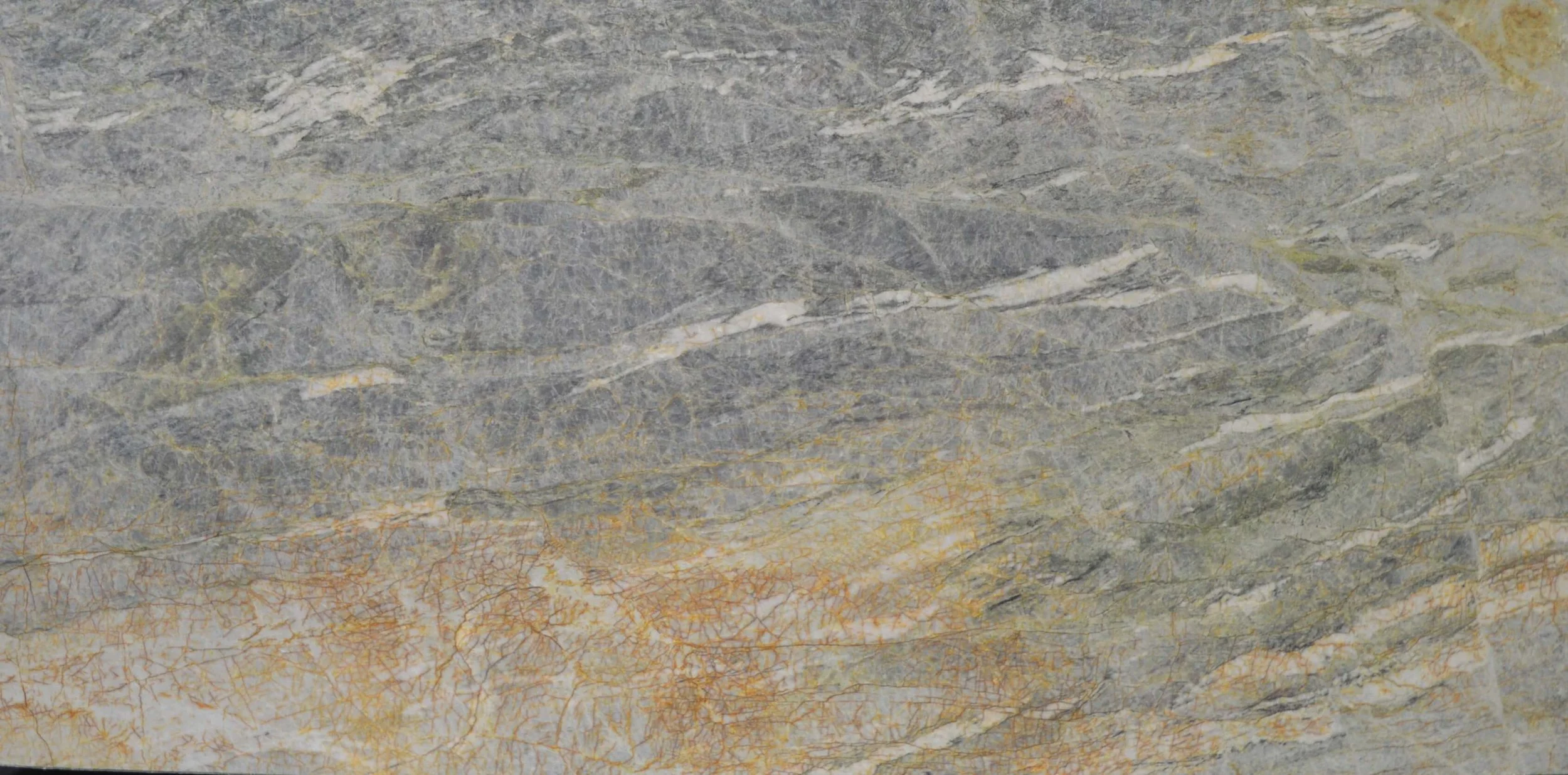
The perfect imperfections in natural Quartzite, like that beauty that mesmerized Vero Founder Sheila Donohue.
This is where we should recognize that an irregularity doesn’t have to ruin the wine. But, all said and done, that doesn’t mean that all irregularities and flaws should be accepted.
Unfiltered Wines and When Lees are Tradition, Not Defects
One of the most common "imperfections" in natural wine is the presence of lees, or sediment that settles at the bottom of the bottle that is often the dead yeast cells from the fermentation. Most of the time, these are filtered out, but sometimes, producers prefer to leave them in. Traditional sommeliers might consider this incorrect or defective, but unfiltered wines are actually how wine was made originally by farmers for centuries. Before modern filtration technology, wine was simply bottled straight from the fermentation vessel, carrying with it the natural sediment, yeast, and minerals from the vineyard.
This traditional approach is embraced by producers like the husband and wife team behind wineries like Foligodia and Pellagroso (whose line of wines really showcase this beautifully) and Michi Lorenz (focusing on Austrian traditions), who intentionally leave their wines unfiltered to preserve the complete expression of terroir. The cloudiness and sediment are not mistakes, but rather they are evidence of authentic, farm-made winemaking.
When an Irregularity Becomes a Problem
Ok, so here is the rub… some natural wine experts disagree on what is a defect, and has become a trending discussion topic, like we mentioned in our recent top trends article.
For example, Jamie Goode argues that it is normal for wine to have irregularities, in fact that’s where the beauty of wine can be found. He believes that brett (or Brettanomyces) gives wine character, yet other wine experts, like Nick Jackson, have no tolerance for Brett.

Imperfection and beauty can be seen on the vine too, not just in the glass, as demonstrated by uneven foliage in an organically farmed vineyard.
This wiggle room for determining what is a defect or not has become so wide that calling out defects has become a bit of a free-for-all, and confusing wine drinking consumers. Some wine bars use the natty wine excuse to pass off truly defected wine. Like, when Vero founder Sheila Donohue visited a natural wine bar, and after being served a mouse tainted wine was simply told “oh, you want something less natty then.” This undermines the position of “perfect imperfection”, and when a wine loses its sense of place due to an extraneous taint, then the irregularity has become a flaw, not just a natty wine. To us, “natty” does not mean defective. But mouse is a defect.
In the aforementioned presentation by Jamie Goode about Flaws in Wine, he makes an interesting distinction between flaws and taints. To paraphrase his thinking, a flaw comes from the winemaking, like went wrong in fermentation, such as the yeasts went crazy, the wrong yeasts were introduced, or bacteria ran wild. Yet taint is an intrinsic factor, like the dreaded cork taint or smoke contamination.
Following these definitions, he argues that taints such as cork or mouse should be universally deemed unacceptable as they drown out the flavors and nuances of the wine, whereas certain flaws, such as Brettanomyces (also known as brett), have certain thresholds or characteristics that are acceptable. For example, brett can lend a very earthy, wild animal, spicy flavor to a wine. Some wines love these flavors, but others, like the fruity pinot noir, are dampened by them. In fact, some wineries are now even experimenting with adding brett to their wines deliberately, to give them a unique twist… go figure!
There are even some more obvious cases of irregularities such as sweet wines made with botrytis (like a sauternes or Picolit), where grapes are left to be infected by mold to create unique flavors. Or cases of oxidation, where it can be considered a flaw until it becomes a deliberate choice and integral aspect of wine craft like in Madeira or certain Sherries. And what about Pet Nat wines? Made in the once-upon-a-time ancestral method, Pet Nat wines are sparkling wines that have not been disgorged, like the Lambrusco-esque wines of Sgarbato, and Scurone or Prosecco-like wines Codolàand Boschera. In other wines, the sediment and lees left over in the bottle would be considered a defect or flaw, but the turbidity has become a hallmark of the movement and style, representing a constantly evolving and unique wine.
We like to think of it this way: does the wine still have a sense of place, terroir, passion, that overpowers the fault? Or does the fault detract from the inherent characteristics of the wine? Is it too intrusive, covering the wine’s flavors? The flaw must add to the wine, not drown out the terroir and mask it.
It is also worthy to note why many of these flaws come about in wine. It is not a sign of so-called shoddy winemaking in the realm of biodynamic wine or minimal intervention styles of winemaking. In fact, some defects, like mouse, have been found to be more prevalent in wines with no added sulfites. Take, for example, Lorenzo Corino Case Coriniwhich is a cult natural wine producer whose wines are sought after for their uniqueness and use of regenerative farming practices that sustain the land. The lack of added sulfites in their wines may result in a wine that has what traditionally sommeliers would consider defected with flaws like Brett. But in our eyes, this is the mark of a true farm-to-glass small production wine rather than a mass market oriented manufactured wine.

Case Corini believes in a ‘live and let be’ form of farming, letting nature take its course, even when that mean irregular ripening or imperfect clusters.
Embrace Imperfections
Our philosophy has always been in stride with what Jamie Goode refers to as wabi sabi with wine, and it extends to food as well, like olive oil. This is what makes you excited about a discovery of any artisan product, its uniqueness. If you still enjoy drinking the wine, who is to say its defected? So, order wine online from our shop and experiment with discovering what new experiences and flavors wabi sabi and eastern beauty can bring to your cellar.
While it is true that natural wines can be susceptible to what some consider defects due to their uniqueness, they are not products made to be perfect, but instead to express a natural way of being; like the place, soil, weather, grapes, vineyards, which can result in a wine that has what traditionally trained sommeliers might consider defects. But we say… this doesn’t have to be the case. Wines like the ones we curate have an inner beauty which a chemically produced mass-market wine cannot ever compete with: personality, character, and a true sense of place. In our mind, that is wine’s beauty: take one grape, make it here, make it there… and two different wines emerge. Which one is “better”? Which one is “perfect”? That, our fellow wine lovers and adventurers, is for every individual drinker to decide.
For those of you that know our curation style, you know that we love to support small producers and bring you unique and fun wines, and specialty foods. And you can enjoy these curations by trying a selection of different wines, foods, and olive oils from our portfolio. We sell to both businesses and consumers across the US:
We are enlarging our network of distributors around the country. Reach out to us if you are interested in distributing our products.
We sell to wine stores and restaurants in certain states - contact us if you would like more info.
We do corporate gifts and sommelier guided wine tastings. Email us and we’ll tailor unique and sustainable corporate gift ideas.
If our farm crafted wines, specialty foods, and olive oils are not in your local shop or restaurant buy wine online hereand we’ll ship it to you, and we ship to most states.
We also have an award winning wine club for true wine explorers seeking to continually discover unique, sustainable and authentic small production wines they never had.
Find the Wabi Sabi in Your Glass and Our Natural Wine Store… Which Imperfection Will You Try?
Tuscan Wild Wines from La Maliosa

Woman made Saturnalia Bianco, on VinePair’s list of Top 15 Best Orange Wines, is an award winning, unfiltered and delicious skin contact orange wine made from old vine procanico & trebbiano grapes cultivated in volcanic soil.
This natural wine is made from the patented Metodo Corino, based on regenerative farming principles. Nothing is added but grapes! Made with unpressed, free run juice with native yeast fermentation. A two week maceration imparts a dark amber color. Aged only in stainless steel tanks, it has aromas of candied fruit, dried apricot and ginger.
It has pleasant acidity and tannins, and is balanced with a long finish. A pretty deep orange color, it is a great wine for difficult food pairings, it pairs with almost any dish.
Tastes Like: Apricot nectar and chamomile
Farming & Winemaking Highlights: Regenerative Agriculture | Sustainable Winery | Biodynamic | Native Yeast Fermentation | Vegan | No additives (ie non sulphites added) | Unfiltered | Organic | Metodo Corino | Natural Wine
Fun Facts: - The natural farming method that produced this wine, the metodo corino, is actually patented by La Maliosa woman winemaker Antonella Manuli after she helped to develop it with natural wine legend Lorenzo Corino of Case Corini.
- Named in honor of the Roman festival in December which took place near the winery, La Maliosa, this wine was once called Saturnia Bianco.
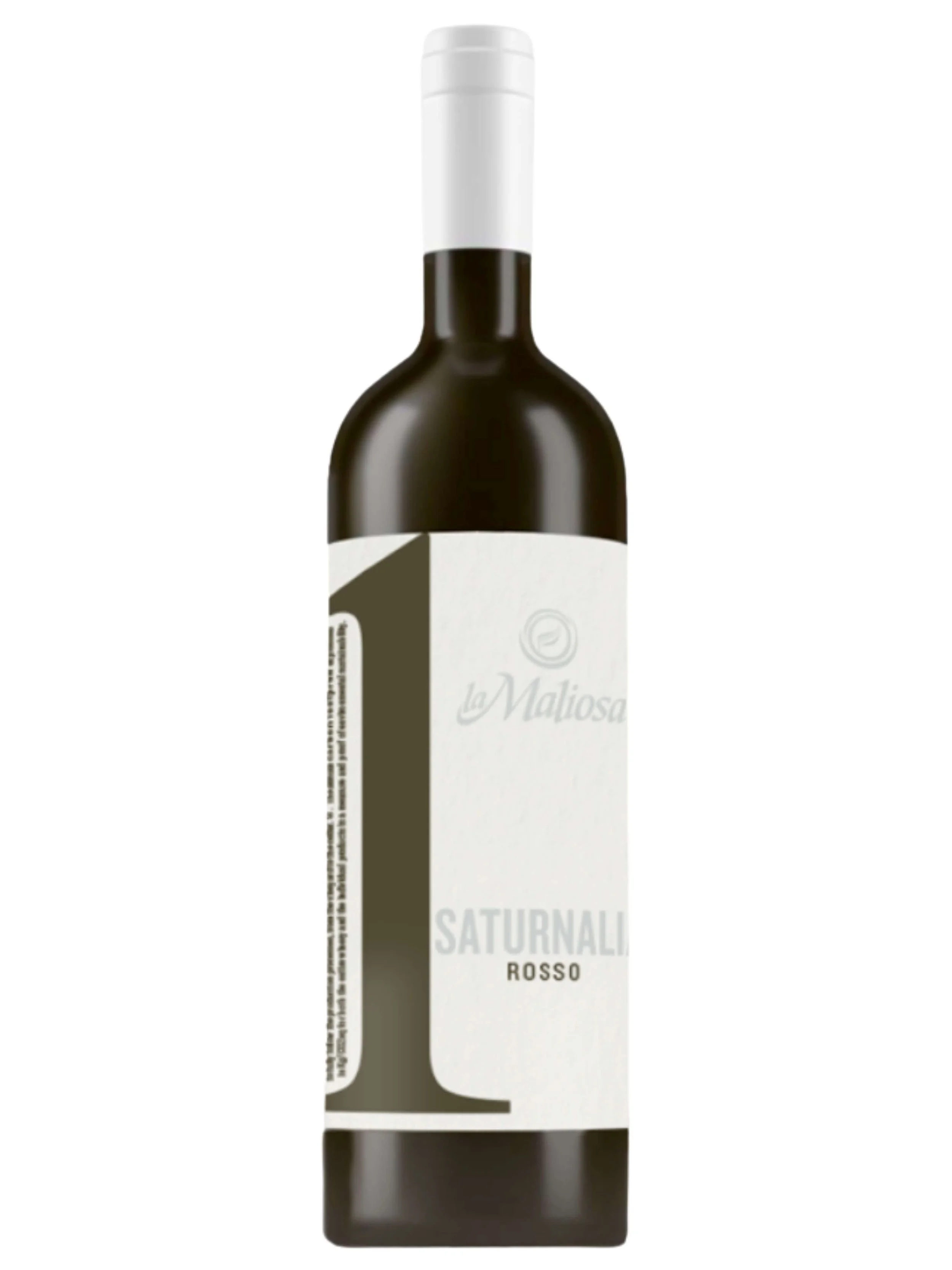
Saturnalia Rosso, once called Saturnia Rosso, is an approachable, balanced red wine with great texture and expressive finish made from a blend of native varieties from central Italy. A four week maceration on the skins is followed by aging in large wooden casks for 20 months. A pretty ruby color is accompanied by cherry and vanilla spice aromas. Pairs great with pork kebabs and cheese burgers. A woman-made organic, biodynamic and vegan natural wine using the patented Metodo Corino which is based on regenerative agriculture farming methods.
Tastes Like: Cherry and Strawberry Fruit Leathers
Farming & Winemaking Highlights: Regenerative Agriculture | Sustainable Winery | Biodynamic | Native Yeast Fermentation | Vegan | No additives (ie non sulphites added) | Unfiltered | Organic | Metodo Corino | Natural Wine
Fun Facts: The natural farming method that produced this wine, the metodo corino, is actually patented by La Maliosa woman winemaker Antonella Manuli after she helped to develop it with natural wine legend Lorenzo Corino of Case Corini.

An award winner in the Millennial Wine Competition, this all natural, fresh and earthy red is made from hard-to-find Tuscan varietal Ciliegiolo whose name derives from cherry - so guess what it tastes like! An organic, biodynamic and natural wine made from the patented Metodo Corino with nothing added but grapes. Made with free run juice, maceration continues for four weeks and then aged in neutral wooden barrels for a short period of time. A natural wine, no sulfites are added during the winemaking process. Cherry and spice aromas and taste with notable tannins and mouth feel contributing to its great structure and long finish.
Tastes Like: Cherry Jam
Farming & Winemaking Highlights: Regenerative Agriculture | Sustainable Winery | Biodynamic | Native Yeast Fermentation | Vegan | No additives (ie non sulphites added) | Unfiltered | Organic | Metodo Corino | Natural Wine
Fun Facts: The natural farming method that produced this wine, the metodo corino, is actually patented by La Maliosa woman winemaker Antonella Manuli after she helped to develop it with natural wine legend Lorenzo Corino of Case Corini.

This wine is a rare treat, being one of the very few Sangiovese red wines grown on volcanic soil. This natural wine is a complex yet approachable. Tarconte is a distinctive old world style natural red wine with a touch of new world, having been aged for 36 months in oak barrels. Notes of earth, mineral, herbs, black pepper, it is super juicy with ripe tannins, a real food wine. A good pairing is with rosemary Asiago cheese. Don't be in a rush to enjoy it: open it and see how it evolves!
Tastes Like: A Baking Spice Cabinet
Farming & Winemaking Highlights: Regenerative Agriculture | Sustainable Winery | Biodynamic | Native Yeast Fermentation | Vegan | No additives (ie non sulphites added) | Unfiltered | Organic | Metodo Corino | Natural Wine
Fun Facts: - The natural farming method that produced this wine, the metodo corino, is actually patented by La Maliosa woman winemaker Antonella Manuli after she helped to develop it with natural wine legend Lorenzo Corino of Case Corini.
- Named after an Etruscan mythological hero.
Unfiltered Wines

From the woman owned natural winery Foligodia, Metamorfosi is a complex orange wine that tastes like biting into a tart apricot. This fruit-forward wine gets its distinctive character from skin contact, and it's crafted from a blend of Chardonnay and Malvasia di Candia grapes.
Region: Italy > Lombardy > Mantova
Tastes Like: Like biting into a tart apricot.
Farming & Winemaking Highlights: Regenerative Agriculture | Sustainable Winery | Biodynamic | Native Yeast Fermentation | No additives | No Sulfites added | Unfiltered | Organic | Skin Contact | Natural Wine
Fun Facts: The name metamorfosi means “metamorphisis” in Italian.

Uni is a stately, rich, complex yet easy drinking apricot & umami essence of a wine that is super small production.
Coming from the wild part of Tuscany, Maremma, the La Maliosa farm carefully crafts their 00 wines (nothing added, nothing removed: only fruit) prioritizing local traditional grapes , like procanico, the hyper local grape used to make this orange wine. Macerated for three weeks on the skins, Uni then ages for seven months in stainless steel tanks.
This natural wine comes from 100% volcanic, old vine procanico, the ancient grape native to Maremma Tuscany, a relative of trebbiano. The rare Tuscan volcanic soils of Pitigliano, where the old vineyard is, give depth and minerality to this wine that naturally expresses fantastic floral, herbal and spice flavors, like lavander and sage and turmeric.
Tastes Like: Apricot nectar with umami mixed in
Farming & Winemaking Highlights: Regenerative Agriculture | Sustainable Winery | Biodynamic | Native Yeast Fermentation | Vegan | No additives | No sulfites added | Unfiltered | Organic | Metodo Corino | Natural Wine| Single vineyard | Old Vine | Volcanic
Fun Facts: If you were to ask La Maliosa's founder and visionaire, Antonella Manuli, which is her favorite wine, Uni wins hands down. Why? You have to taste it and then you'll get it.

Cloudy mandarin orange color late harvest Sauvignon Blanc natural wine from one the best places in the world for Sauvignon Blanc leads to a saline and yeasty nose with a bit of lemongrass notes. It has laser-like, linear acidity and is super tasty, with great fruit and salinity. It is a 'meaty' orange wine with nice mouthfeel and slight tannins. This Sauvignon Blanc is from the Sudsteiermark region of Austria in South Styria.
This skin-contact orange wine is crafted with native yeast fermentation by certified organic and biodynamic Austrian winery Michi Lorenz.
Unexpectedly Perfectly Imperfect Wines
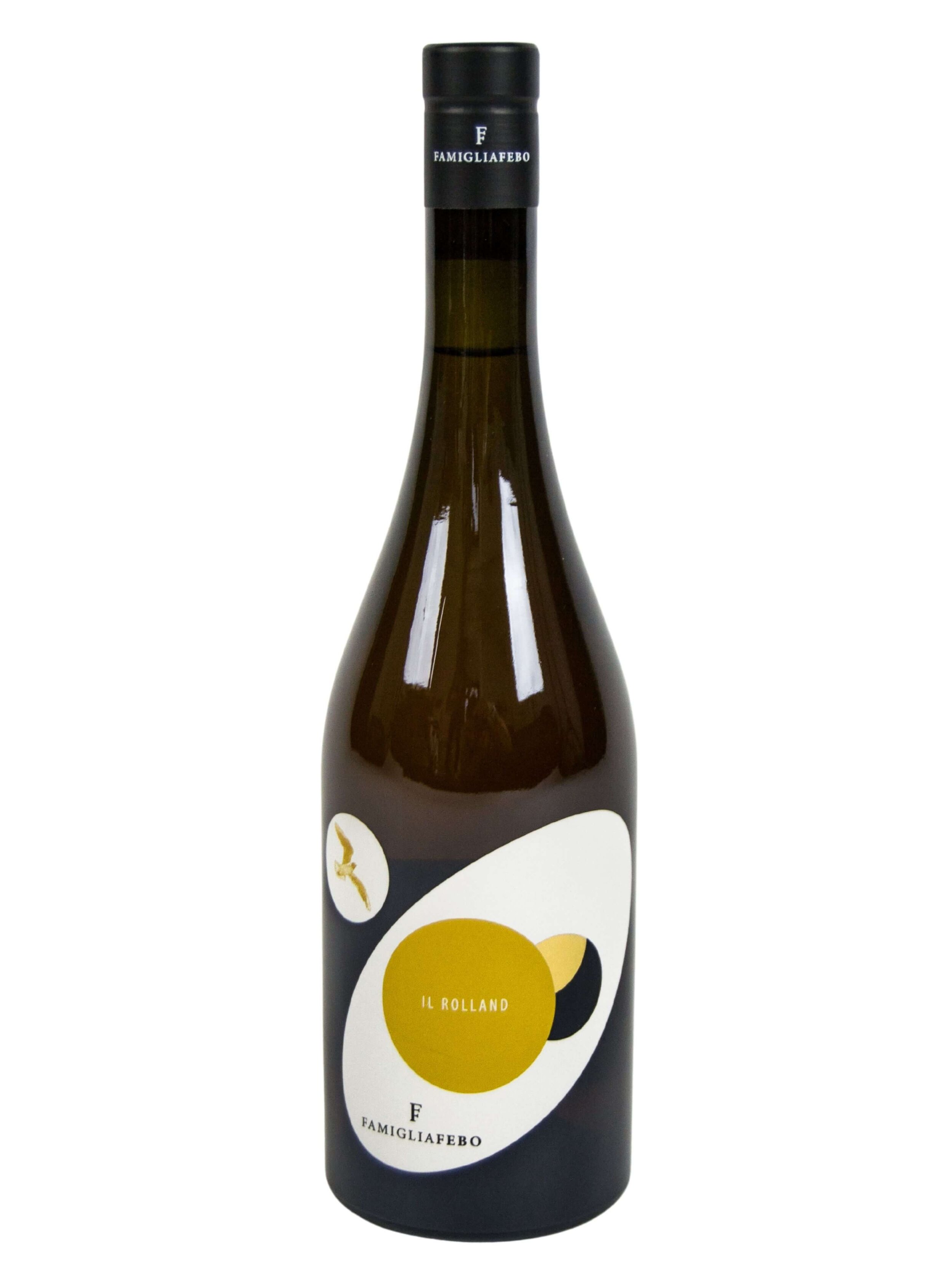
Rolland’s deep straw yellow or rusty color likens it to an orange wine, but this color comes from the vineyard, sun, and weather. A fresh and textured mouthfeel leaves you pondering and wanting to have another sip. We recommend to let it breathe before enjoying to the fullest.
The 2023 vintage offers a drier, more savory, and complex profile. With golden raisin and saffron flavors, it evolves into deeper sensations of caramel, sage, and a pronounced orange rind on the finish. It wraps up with a long, distinctive mineral finish. The 2023 really summarizes well the age-worthiness of this wine.
Region: Italy > Abruzzo > Spoltore & Chieti
Tastes Like: Golden Raisins & Saffron
Farming & Winemaking Highlights: Regenerative Agriculture | Sustainable Winery | Biodynamic | Native Yeast Fermentation | Vegan | Single vineyard | Organic | Natural Wine
Fun Facts: This wine is named for Grandfather Febo, Rolando, who bought the concrete vessels the family ages their wines in.
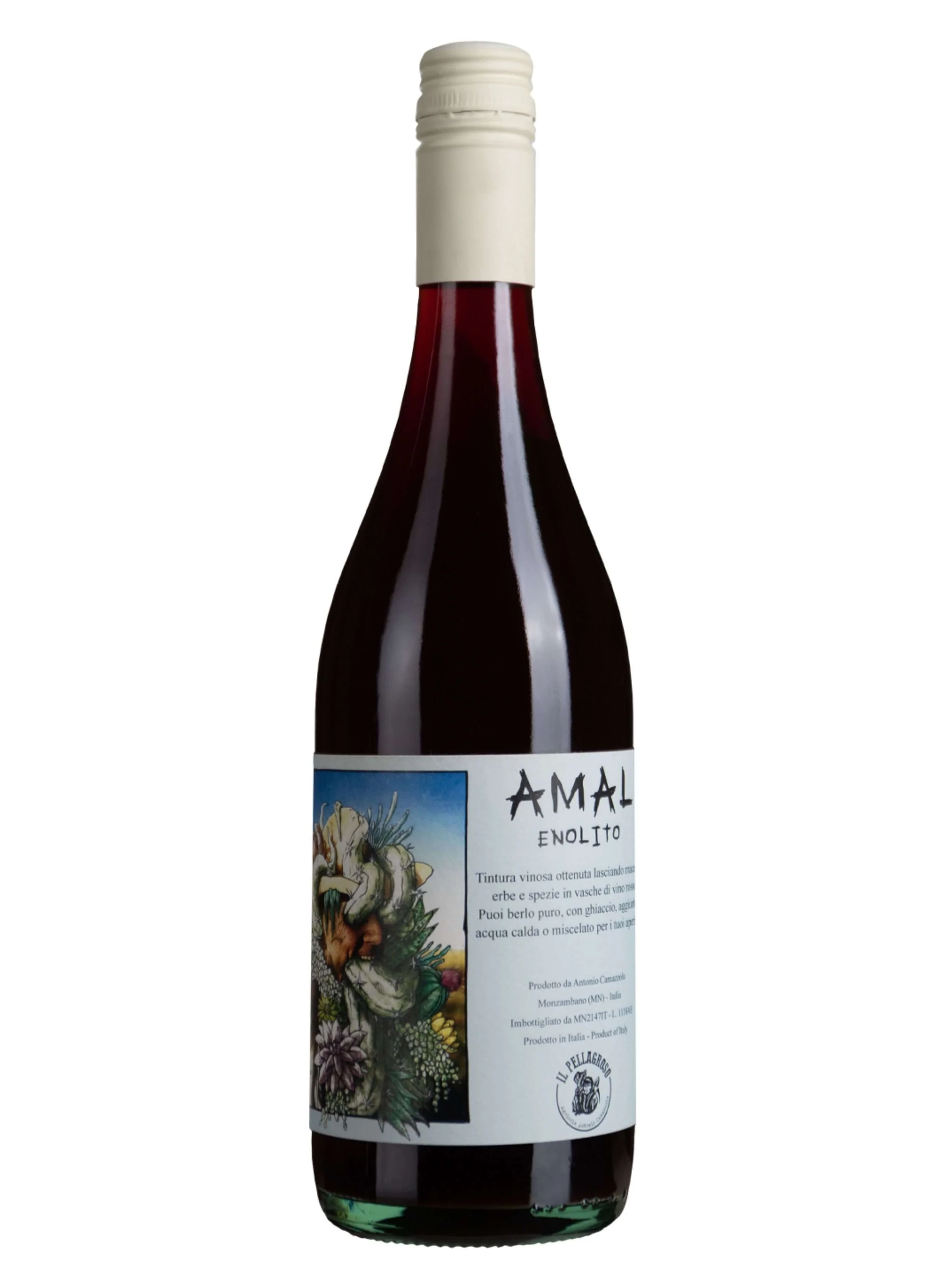
This uniquely crafted aromatized red wine that tastes like chocolate covred plums is a delicious expression of today's appetite for sophisticated, botanical-forward beverages. With a complex profile akin to a classic Barolo Chinato, it strikes the perfect balance for those who appreciate the less-sweet, bitter notes of an amaro. This versatile drink is fantastic served chilled over ice as a refreshing aperitivo, or warmed for a comforting nightcap as a mulled wine. For the best experience, be sure to refrigerate it after opening.
Region: Italy > Lombardy > Mantova
Tastes Like: Plums with dark chocolate and a rhubarb and amaro-digestivo like aftertaste
Farming & Winemaking Highlights: Regenerative Agriculture | Sustainable Winery | Biodynamic | Native Yeast Fermentation | No additives | No sulfites added | Unfiltered | Organic | Natural Wine
Fun Facts: This is a super-natural wine that has been steeped with aromatic herbs and spices for a unique flavor, sometimes called “Chinato” in Italian. In fact, the famous “Barolo Chinato” is made in a similar way.
Imperfectly Perfect Cult Wines from Case Corini

All natural, old vine nebbiolo and barbera blend with no added sulfites and yeast. Aromas of milk chocolate covered cherries, it has a fresh and rich fruity taste with notable tannins and a has a long piquant finish. Name comes from the former owner of the 70 year old vineyard which has a mix of Nebbiolo and Barbera and is down the hill from the childhood home of Lorenzo Corino. After a gentle crushing, fermentation starts with native yeast fermentation and wines are left with skin contact for 6-7 weeks, followed by about 30 months of aging in wooden barrels. As with all of Case Corini wines, this is a 00 wine, nothing added, nothing removed, no yeast, no sulphites added, organic, biodynamic, vegan. In other words, all natural wine.
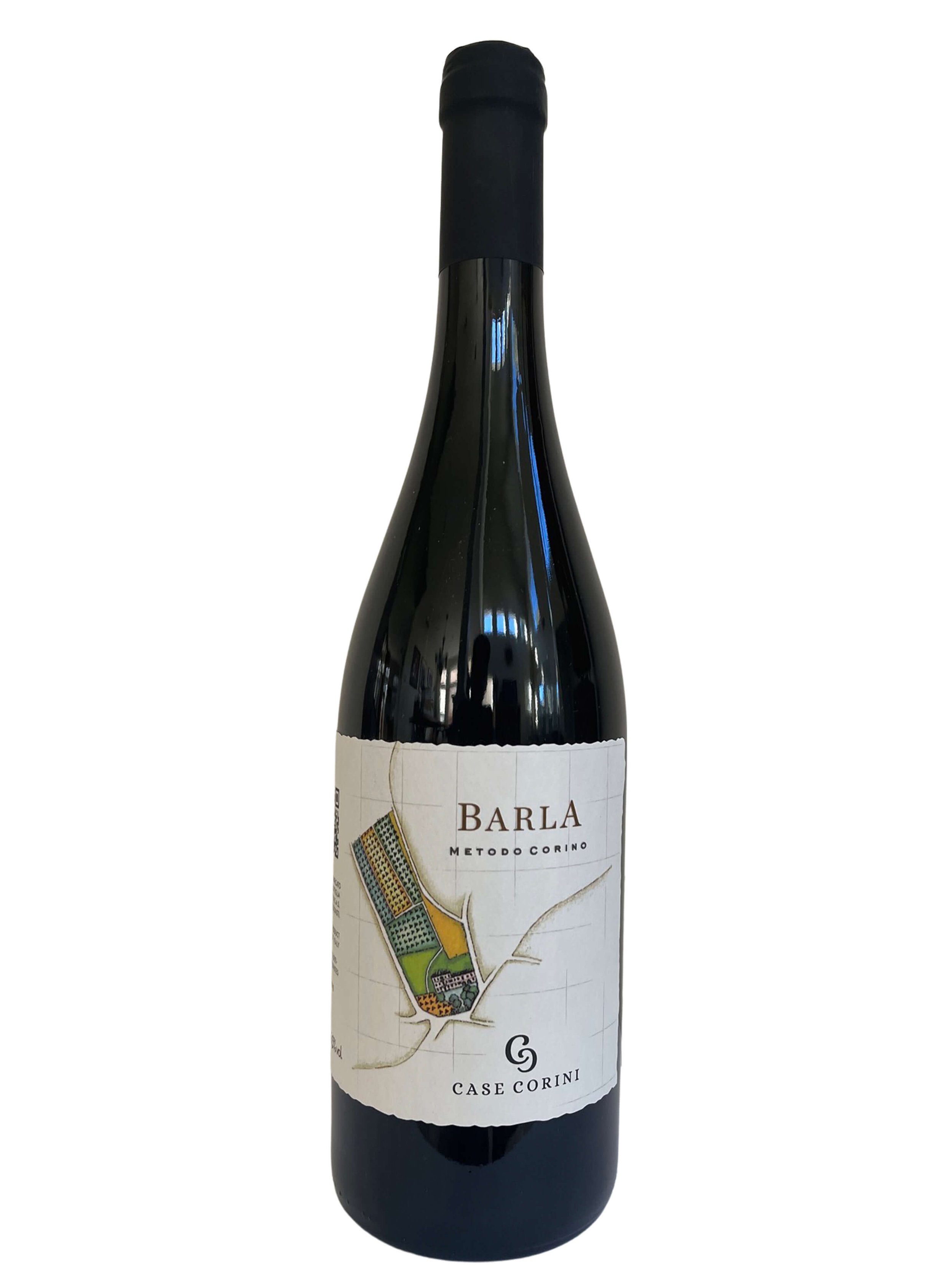
You never had a Barbera like this! Made from 95 year old Barbera vineyard, with some small percentage of other varieties planted over the years in the vineyard. This all natural wine has intense aromas of brandied cherries and a richly textured, delicious dark fruit taste with right balance of fruit, acidity and tannins. Barla is the antique name of the vineyard which used to be the land of an old convent. After a gentle crushing, fermentation starts with native yeast fermentation and wines are left with skin contact for 6-7 weeks, followed by about 36 months of aging in wooden barrels, housed under Lorenzo Corino's family home.
As with all of Case Corini wines, this is a 00 wine, nothing added, nothing removed, no yeast, no sulphites added, organic, biodynamic, vegan. In other words, all natural wine.
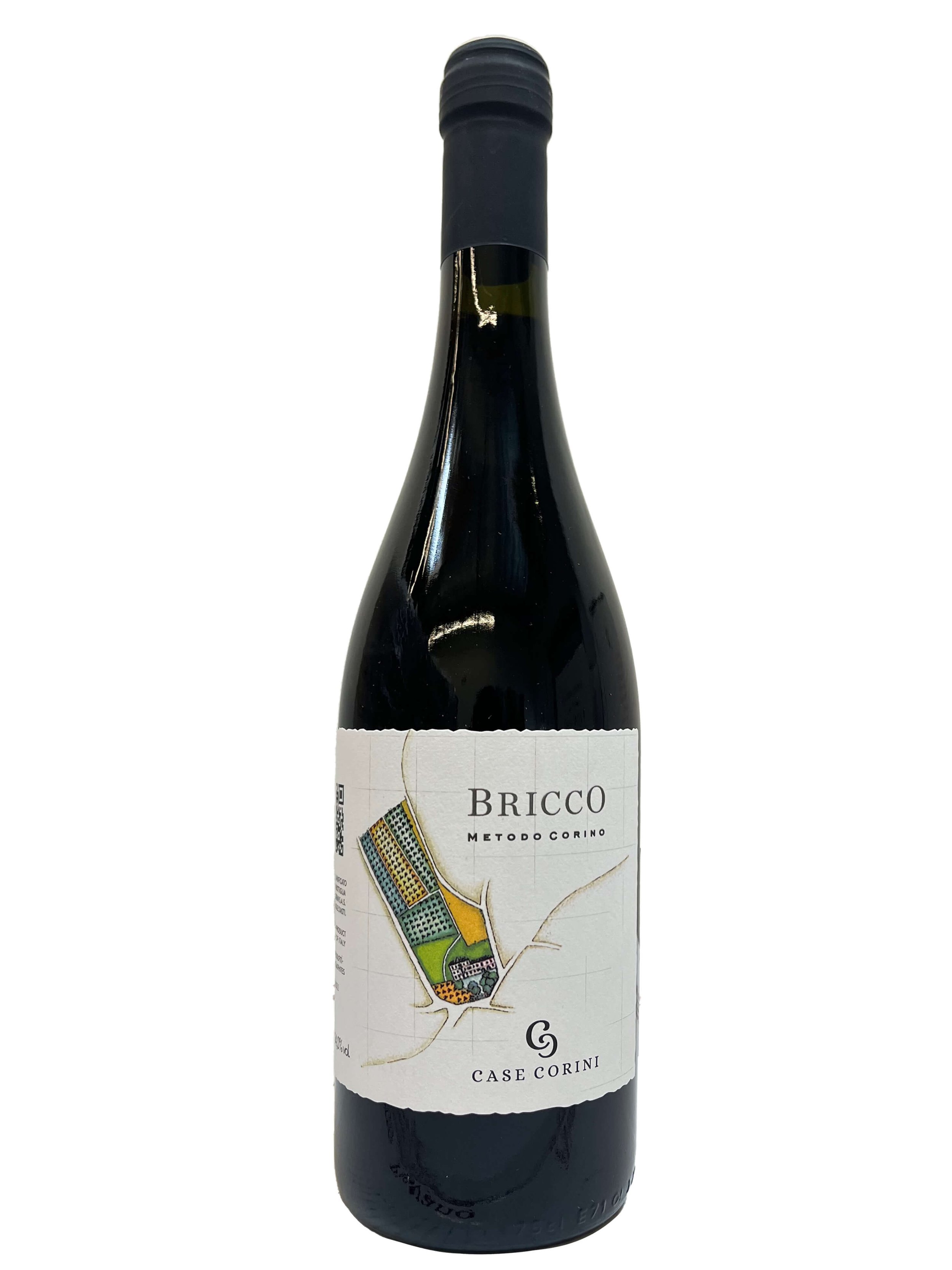
From the old historic field blend vineyard in the Corino's family's 'backyard', this is a fresh, delicious, and complex natural red wine, nicely balanced with fresh raspberry taste along with chocolate shavings.
The Bricco vineyard, an old single vineyard made up of 60% barbera, then freisa along with other red native varieties, is right behind the family ‘villa.’ It has been used as a sort of experimental vineyard by Lorenzo Corino, and is harvested as a field blend.
As with all Case Corini wines, this wine is made with minimal intervention, no added sulfites, native yeast fermentation, vegan, and following the principles of regenerative agriculture, biodynamic and organic farming.

Earthy, age-worthy nebbiolo made from 70 year old naturally cultivated vines. Named for the dearly beloved grandfather of Lorenzo Corino. Having a garnet color with orange hues it has a complex, spicy nose with notes of cardamom and cinnamon. When tasting, it is fruit forward, cherry & forest fruits, followed by spices, and chalky tannins envelope the mouth and finishes elegantly. After a gentle crushing, fermentation starts with native yeast fermentation and wines are left with skin contact for 6-7 weeks, followed by about 36 mos of aging in wooden barrels.
As with all of Case Corini wines, this is a 00 wine, nothing added, nothing removed, no yeast, no sulphites added, organic, biodynamic, vegan. In other words, all natural wine.
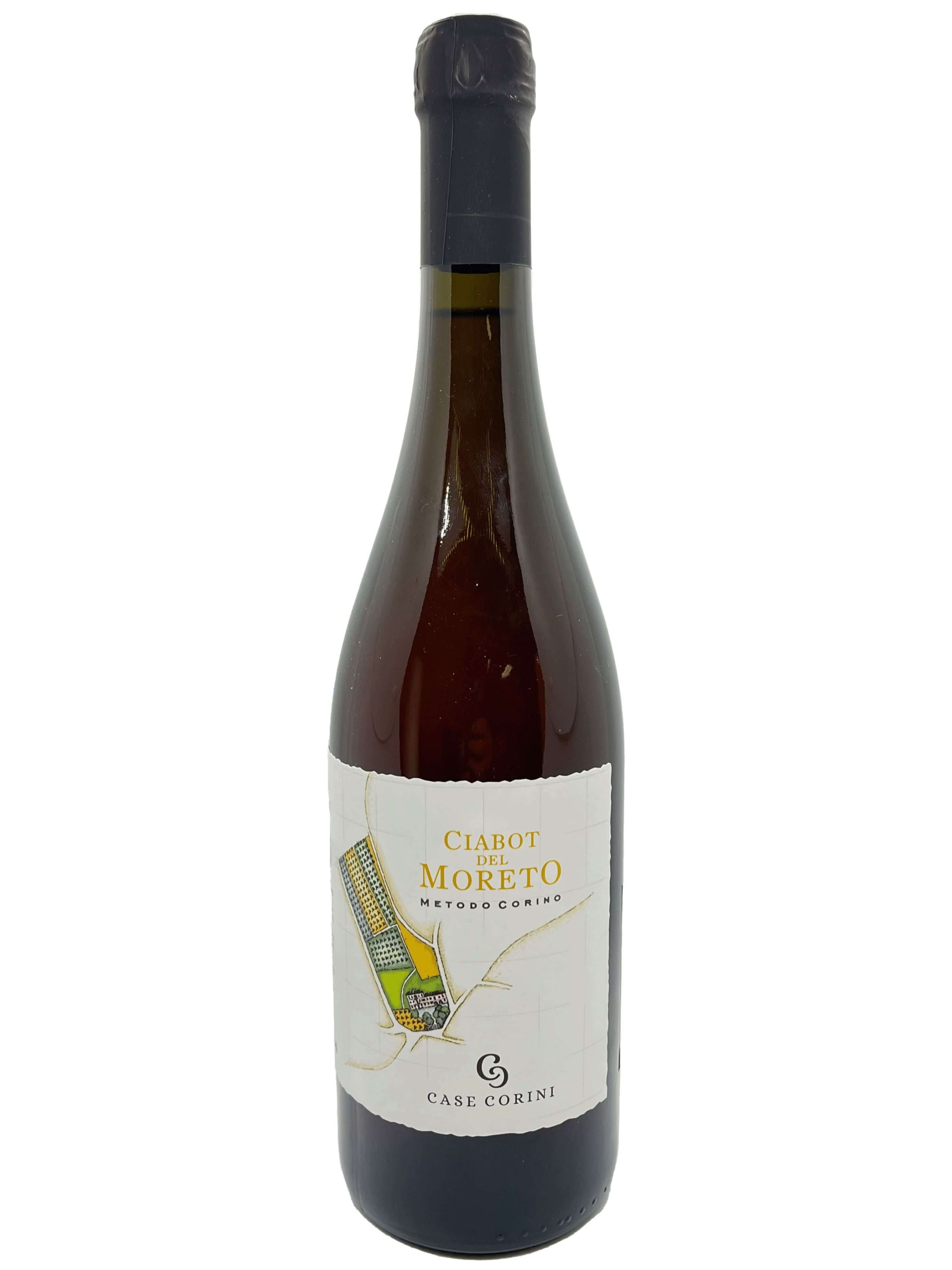
This is an aromatic late harvest skin contact Orange wine from the natural wine 'legend' Lorenzo Corino and his son Guido. The color of rust orange opens to a complex bouquet of orange blossom, candied fruits, caramel and pine leading to a fresh taste of apricots with some mineral savory-ness, pleasant tannins, lovely texture. It is balanced with a long finish. This vegan wine is made naturally, with no intervention of any kind made and no sulfites added. It is a super interesting wine for those who enjoy muscat natives and orange wines. The name Ciabot del Moreno refers to the small wine hut (part of the Piedmontese wine 'ways and culture) in the area where the single vineyard is (Moreto). A lot of local stories are born around these "ciabot". The 70 year old vineyard with different Moscato biotypes is 230m high in Santo Stefano Belbo, 15 min south of Costigliole d'Asti and a half hour east of Alba. After a gentle crushing, fermentation starts with native yeast fermentation and wines are left with skin contact for 2-3 weeks, followed by 6 months of aging in wooden barrels.
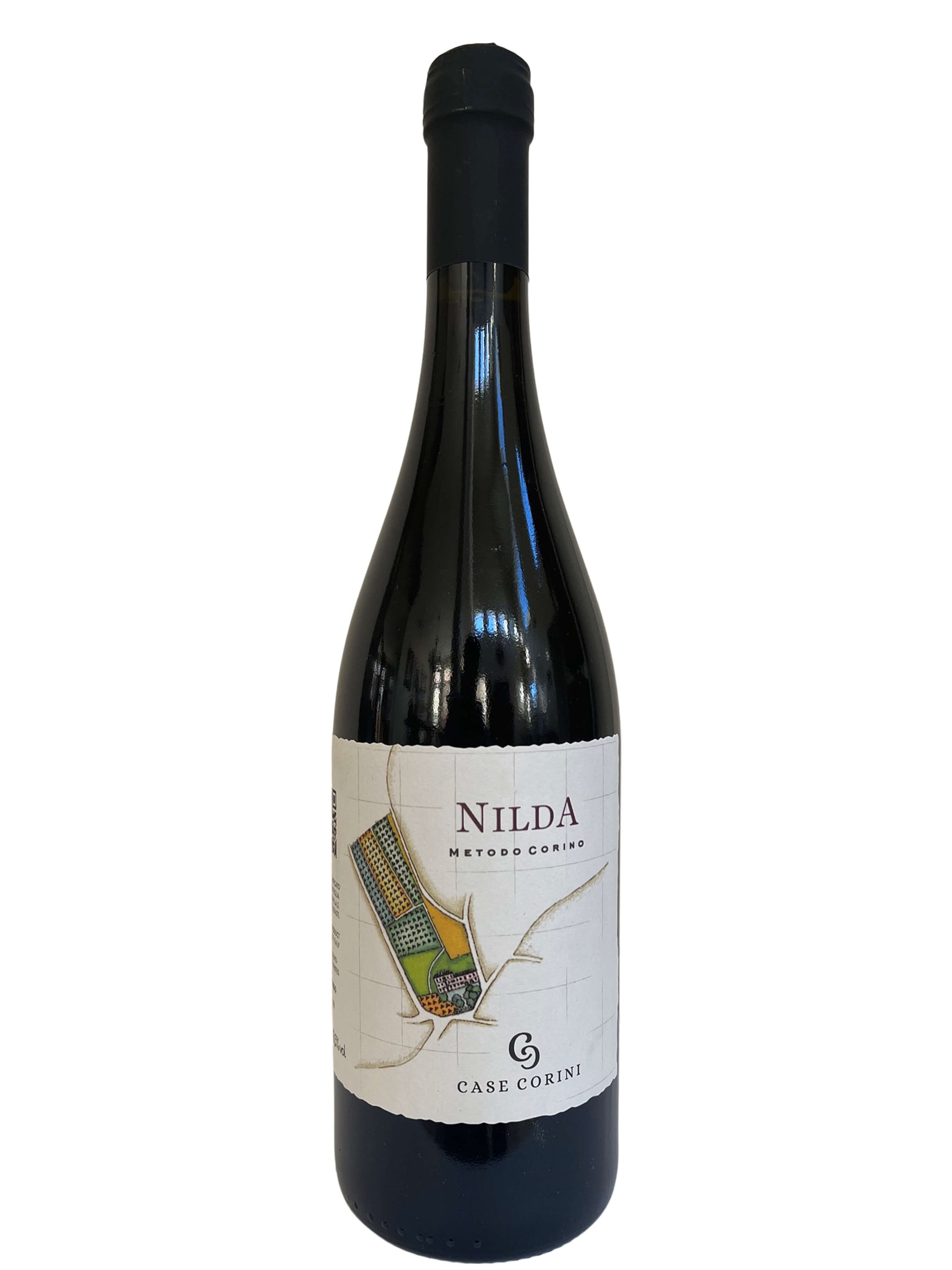
Named after Lorenzo Corino's grandmother, Nilda is Lorenzo & Guido Corino's new red wine from 20 year old vineyards in their hometown of Costigliole d'Asti. It is a field blend mainly of Barbera, along with a mix of other old varieties native to the area. It has aromas of spiced milk chocolate cookies and has a fresh, ripe dark fruit taste with an earthy funkiness and great texture. This vegan wine is made naturally, with no intervention of any kind made and no sulfites added. After a gentle crushing, fermentation starts with native yeast fermentation and wines are left with skin contact for 3-4 weeks, followed by about 12 mos of aging in wooden barrels.

Before this 'modern era' of Proseccos made with the Charmat method, Prosecco was made with the ancestral method, like this wine, Codolà, where fermentation takes place in the bottle, and it is not disgorged. This means that the wine is unfiltered since it is on its lees. In Italy it is also called a Col Fondo sparkling wine and in the US, we use the French term ‘Pet Nat’ to describe this wine. This results in a white sparkling wine whose aromas and flavors continue to evolve while they are in the bottle. This Col del Balt white sparkling wine made by the Sanzovo brothers has a straw yellow color with lots of fine bubbles and green herb and pear aromas with a hint of lemon zest. It has 0 residual sugar and it tastes dry and clean, with a slightly bitter, lemon rind tasting, finish.
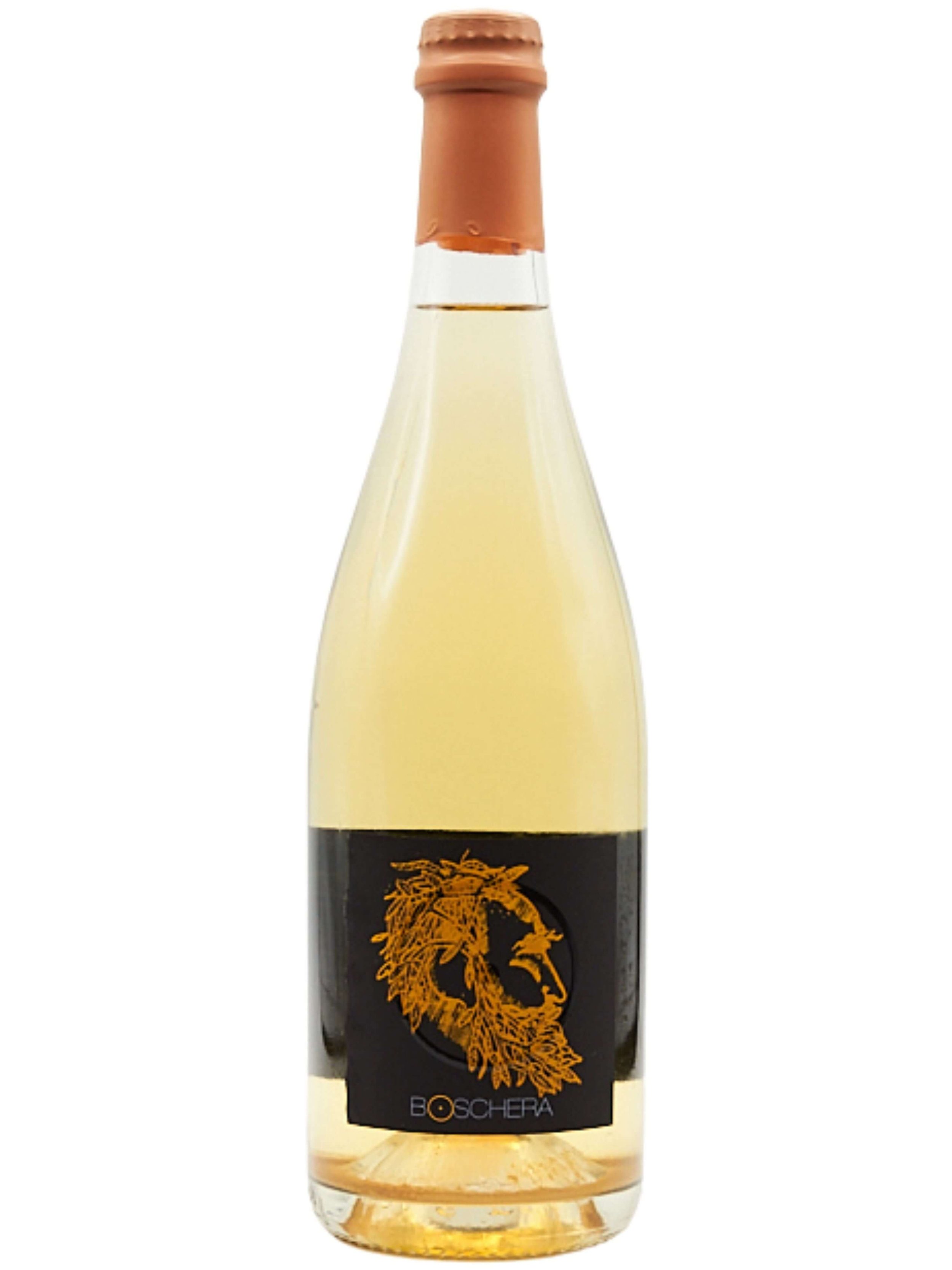
This is an unfiltered sparkling wine made similar to the champagne style from a rare grape called Boschera, native to Veneto, Italy where there is less than 20 acres in the world! We were the first to import this grape into the US!
Compared to the Prosecco grape (Glera), Boschera is more complex, and in fact this wine has been aged for over 3 years in the bottle on the lees.
With 2 days of skin contact giving it a deep yellow color, this native yeast fermented natural wine is then refermented with its native lees and then undisgorged, so it is unfiltered and continues to age on the lees too, allowing it to become more complex over time.
You can say it is a vintage & aged ancestral method, or Pet Nat style, also called Col Fondo in Italian since it is on its lees. It has herbal, nutty and yeasty aromas and savory taste with a long saline finish. Pairs with many foods & throughout the meal, from appetizers to main course.
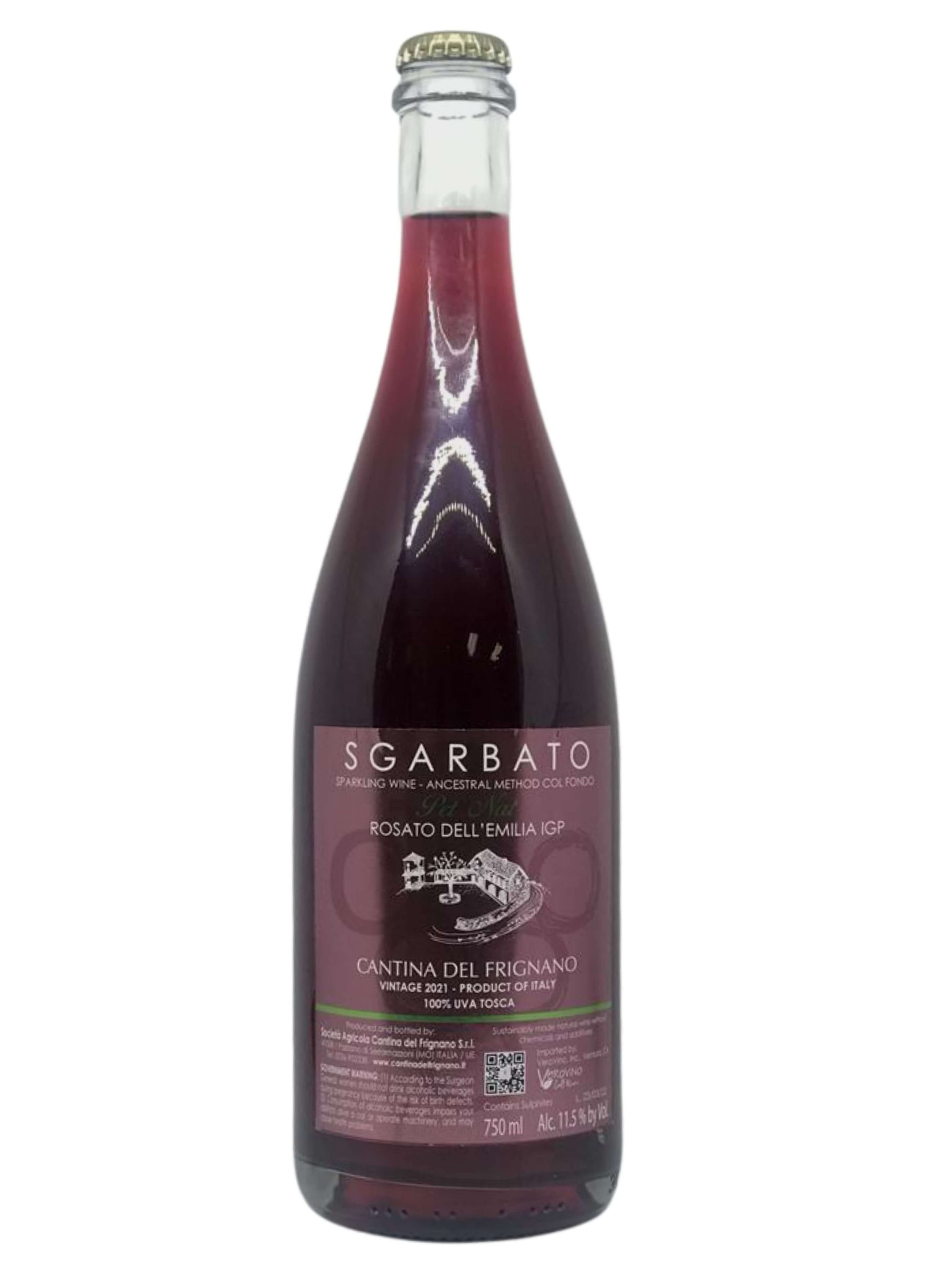
Made from the rare Uva Tosca grape, this dry Pet Nat tastes like drinking cranberry juice as a sparkling wine.
This producer, Frignano, is credited for reviving this forgotten grape which grows in higher altitudes in Emilia area of Northern Italy, and is believed to be a descendant of Schiava Grossa, the Alto Adige red grape.
Refreshing and quaffable, with strawberries on the nose and a saline finish, it is great on its own or with light fare. It is an unfiltered, bottle fermented 'col fondo' sparkling wine also known as ancestral method or Pet Nat style, and made with spontaneous fermentation like a natural wine.
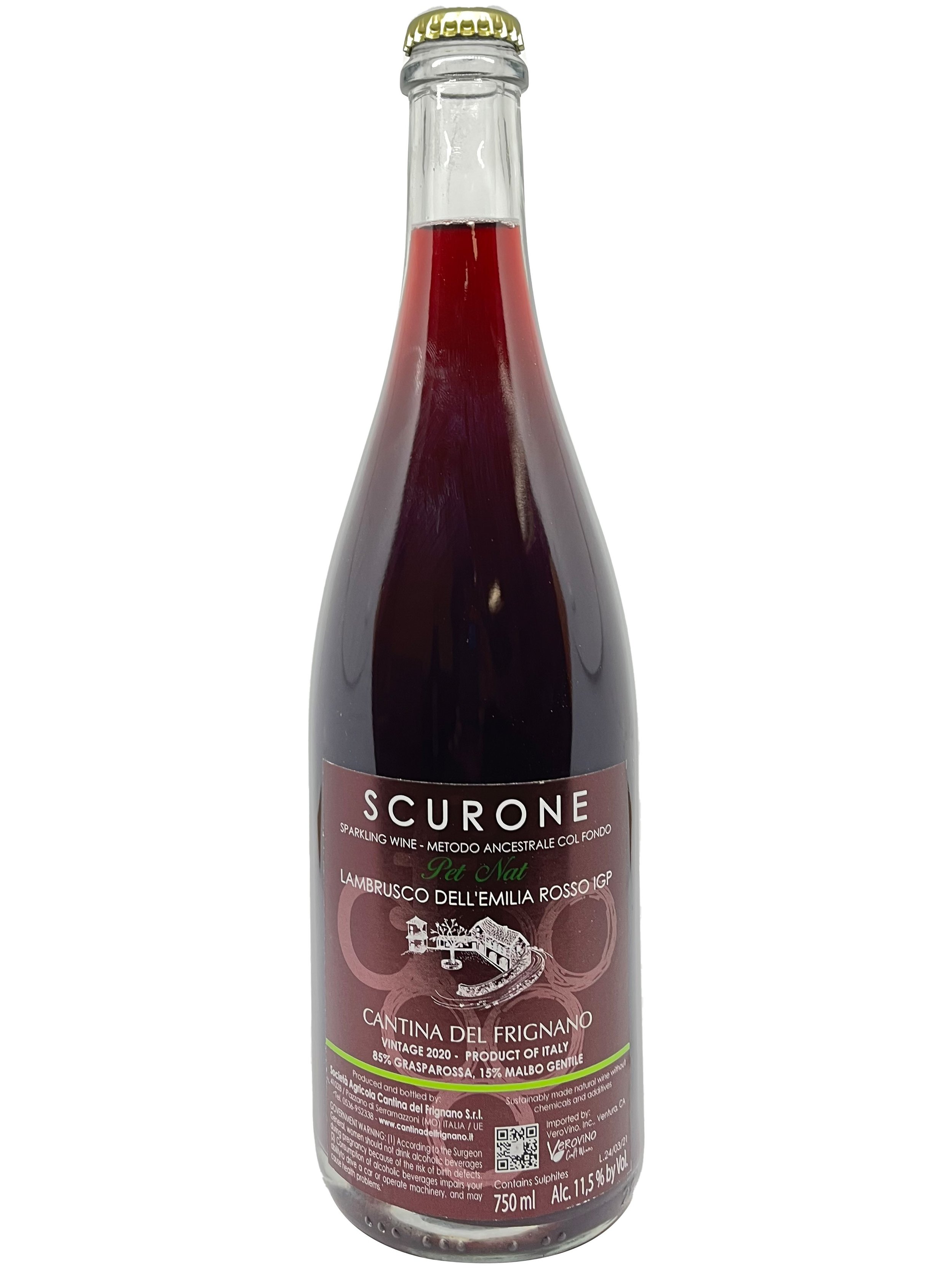
This is an ancestral method Lambrusco made primarily with the Lambrusco Grasparossa grape, and with some Malbo Gentile grape, which is local to the area of Frignano in Modena. It is a lighter red ruby color, light effervescence, a nose that has red fruit with hint of orange peel. It is fresh and fruity, with plum taste, and grippy tannins and noticeable texture.