Get to Know Asti Monferrato Cuisine
We have explored many different areas of Italian cuisine in the past: from the central Abruzzo, to the Northern Veneto Valdobbiadene and Friuli Venezia Giulia, over to the Langhe, through Tuscany, into Romagna, and even into the past with Ancient Rome.
Now, let’s journey into the kitchens and dining rooms of the Monferrato. As we talked about in our last article, located in the Northern Italy region of Piedmont, in the provice of Asti, the Monferrato hills are a UNESCO World Heritage site. Covering a wide variety of land, the area has varied productions from different farms, to vineyards, to groves of fruit and nut trees. This variation is also seen in their wines, from dry white sparkling and sweet, such as Moscato d’Asti and red spumante Brachetto d’Acqui, and also delicious red Barberas ranging from the young, fresh and fruity Barbera d’Asti to the oak-aged barbera Nizza DOCG.

Enjoy a piemontese marinated chicken salad dressed with organic extra virgin olive oil, and pair it with a sparkling champagne method Alta Langa from Monferrato winery, Ivaldi.
Food of the Monferrato
The Monferrato is right next to the Langhe, another famous wine growing area. Naturally, both regions share a common denominator of Piedmontese cuisine, with dishes such as white truffles, hazelnuts, Bagna Cauda, Zabajone, Risotto, e Tajarin.
However, there is a large section of the Monferrato that pushes down towards the Mediterranean bordering region of Liguria. This means that some areas of the Monferrato have a more Ligurian/sea influence to certain dishes. This comes especially in the form of preserved foods, like salted cod (Baccalà), tuna, anchovies, and olives. Once upon a time the wine of the Monferrato was traded with the nearby Ligurian sea-towns for these easily-conserved foods that used either salt or oil to limit oxygen and allow the foods to not go rancid.
Like the Langhe, the Monferrato is largely an agricultural area, where vines are not planted, there are large fields of a variety of fruits and vegetables, wheat, sunflowers, and hazelnuts. So, as in the next-door Langhe, a lot of dishes are what Italians call cucina povera, or poor cuisine, and is based on conserving and canning food or ingredients and definitely ‘waste not want not’.
A Farmer’s Dish Pairs with an Elegant Wine
One dish that brings together all of these principles is the famous Monferrato dish, Tonno al Coniglio, or ‘tuna rabbit’. However, chicken is also very popular, and beef is sometimes used as well. As discussed above, a classic and traditional method of conserving meat in Piedmont, is to make it ‘al tonno’, or ‘like tuna’, meaning the meat is jarred and conserved in oil. So, food is conserved for later under oil, check. Waste not want not? Well, a dish like Tonno al Coniglio or Tonno al Pollo started off by using the discarded small bits of left-over meat, often those little pieces stuck to the bone after carving, or other pieces that are too difficult to remove. By boiling them, the meat separates from the bone much easier, albeit in smaller pieces. Then, the broth made with the meat can be used for a variety of different dishes or just for sipping (read more about how you can use homemade broth here).

Tonno di Pollo or marinated chicken, is cooked, then preserved with herbs and spices and covered with oil.
Back to the jarred meat: it can have many uses, from enjoying it by itself as a meal with side vegetables, on crostini or crackers like an appetizer, or mixed into a salad. The recipe here from VeroChef Jacqueline Mitchell is inspired by a traditional and common salad, sometimes called an insalata bergera, or farmers salad. She says, ‘I love the mixture of cheese, celery, and nuts and it works so well with the preserved chicken or rabbit. For a less traditional take, I sometimes use feta in place of the traditional Piemontese toma cheese to add a delicious tang to the salad. But this is such a light, easy, bright, and crunchy dish to pull together, I eat it all the time at home.’
And what to drink? Jacqueline pairs this salad often with the champagne method Alta Langa sparkling wine, Andrea, from Monferatto winery Ivaldi. ‘The sparkling wine is nice to add acidity and cut the oiliness of the chicken and salad, yet it is still fresh enough to not cover the delicate herbs, soft rabbit (or chicken), and fragrant hazelnuts. Plus, who doesn’t love to start off a meal with a light salad appetizer and glass of bubbly? I know I sure do,’ Jacqueline says.
Wines of the Monferrato
When considering wine pairing with Monferrato foods, or rather any menu, trusting a 4 generation winery like Ivaldi in Nizza Monferrato is the way to go. A versatile and varied winery, between all of their wines, they have something for every dish, and every person. Bubbles? Try their Andrea Alta Langa. Sweet wines? Look at their Moscato d’Asti and Brachetto d’Acqui. Fresh, young red? Then try the single vineyard Piccona Barbera d’Asti. An aged complex red? Their Nizza DOCG is a unique alternative to nearby Barolos or Barbarescos.
In fact, you can meet and taste alongside Andrea Ivaldi on Wednesday October 5th at 3pm ET / 12pm PT on Zoom for a VeroTalk live from the Ivaldi’s wine cellar in Nizza Monferrato. We will be tasting the full lineup of his 5 wines. Purchase our Asti Monferrato Explorer Set to get started tasting, and with shipping included add on the sparkling Alta Langa and aged Nizza DOCG to be able to taste along with Andrea and wine educator Mary Beth Vierra all 5 of Ivaldi’s Monferrato wines. Visit the VeroTalk page to learn more about this event.
Register to participate on Zoom and buy the Ivaldi wines to taste along with the winemaker live from the Monferrato. But before, be sure to try the traditional chicken salad recipe out for yourself below, and taste a little bit of the Monferrato, wherever you are!
Insalata di Pollo – Marinated Chicken Salad
Cooking and Prep Time:
Chicken - Overnight
Salad - 15 minutes
Ingredients:
1 Whole Chicken (or rabbit)
1 Onion 1 Celery 1 Carrot
4-5 Sage Leaves
1-2 Bay Leaves
1 Sprig Rosemary
5-6 Garlic Cloves
3-4 Juniper Berries
q.b Coarse Salt
q.b Peppercorns
q.b Extra Virgin Olive Oil
For the Salad:
Hazelnuts or Walnuts
Fresh, non-aged cheese in cubes
Celery, sliced thinly
Suggested Wine Pairings
Ivaldi | Andrea Extra Brut Alta Langa | Champagne Method Sparkling Wine
Procedure:
1. Start by bringing a pot of water with an onion, a stalk of celery, and a carrot to a boil. Add your whole chicken and let cook until the chicken is falling off the bone. Remove the chicken and set aside to cool. Strain the broth to use in other dishes.
2. When cool, pull the meat off the bones, shredding with your fingers as you pull it apart, and place the shredded meat in a large bowl. Add the seasonings (sage and bay leaves, rosemary, garlic, juniper berries, peppercorns, and salt), and mix all together.
3. In a jar or air tight container, place the mixture, packing it in with your fingers, and once full, gently pour in extra virgin olive oil until the mixture is completely covered. This will help with conservation. Leave the mixture to marinate in the jar at least overnight, and up to 7 days if kept completely covered in oil in the fridge.
4. To construct the salad, mix together some un-aged, fresh cheese (like a piemontese toma) cubes, hazelnuts or walnuts, thinly sliced celery, and pieces of the meat from the jar. Dress the salad with oil from the jar and a little salt and lemon juice if necessary.
5. When the meat in the jar is finished, discard the spices, garlic, and herbs, and keep the oil to used for cooking, dressing or other uses.
Get Olive Oil and Wine to Pair for this Monferrato Recipe
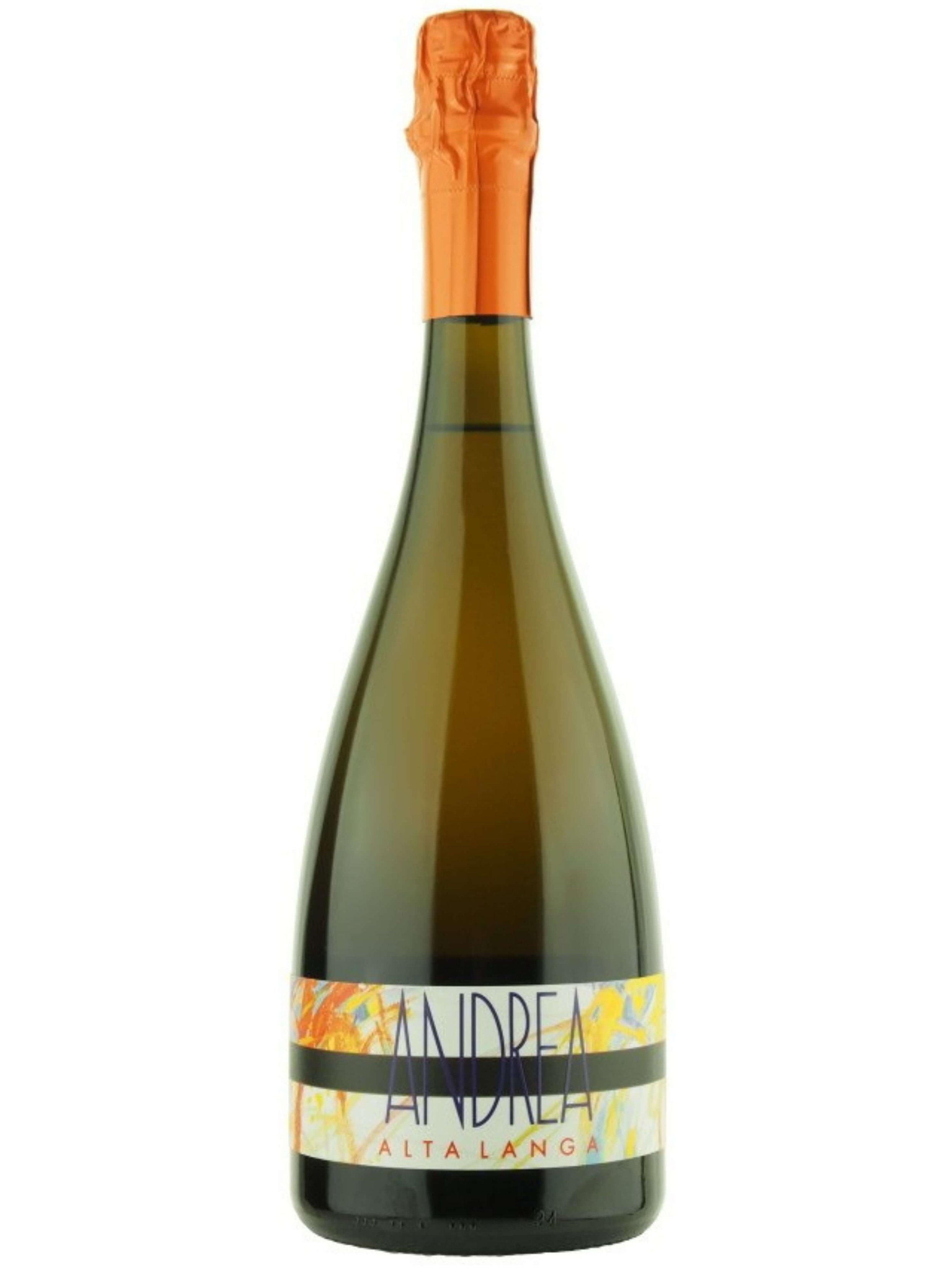
This Alta Langa Spumante, or an Italian sparkling wine, is an Extra Brut, with flavors of bread crust, caramel and candied fruit, with great acidity and salinity, a hint of sage and a long mineral finish.
Made following the traditional Champagne method, it ages on the lees for 30 months in the bottle. Alta Langa is a newer DOCG that is steeped in history and is an up-an-comer amongst Italian traditional method sparkling wines.
This vintage wine is from vineyards at 200 meters that are harvested slightly late to give the wine more structure. A Blanc de Blancs made from 100% chardonnay grapes, fine and persistent bubbles are present with an inviting straw yellow perlage.
Tastes Like: Bread crust, caramel, and candied fruit.
Farming & Winemaking Highlights: Regenerative Agriculture | Sustainable Winery | Biodynamic | Bottle fermented | Champagne Style
Fun Facts: - This wine is named for the current winemaker, Andrea Ivaldi, the 4th generation of his family to make wine, and the first to make a sparkling wine.
- A certified sustainable winery, Ivaldi practices regenerative farming.
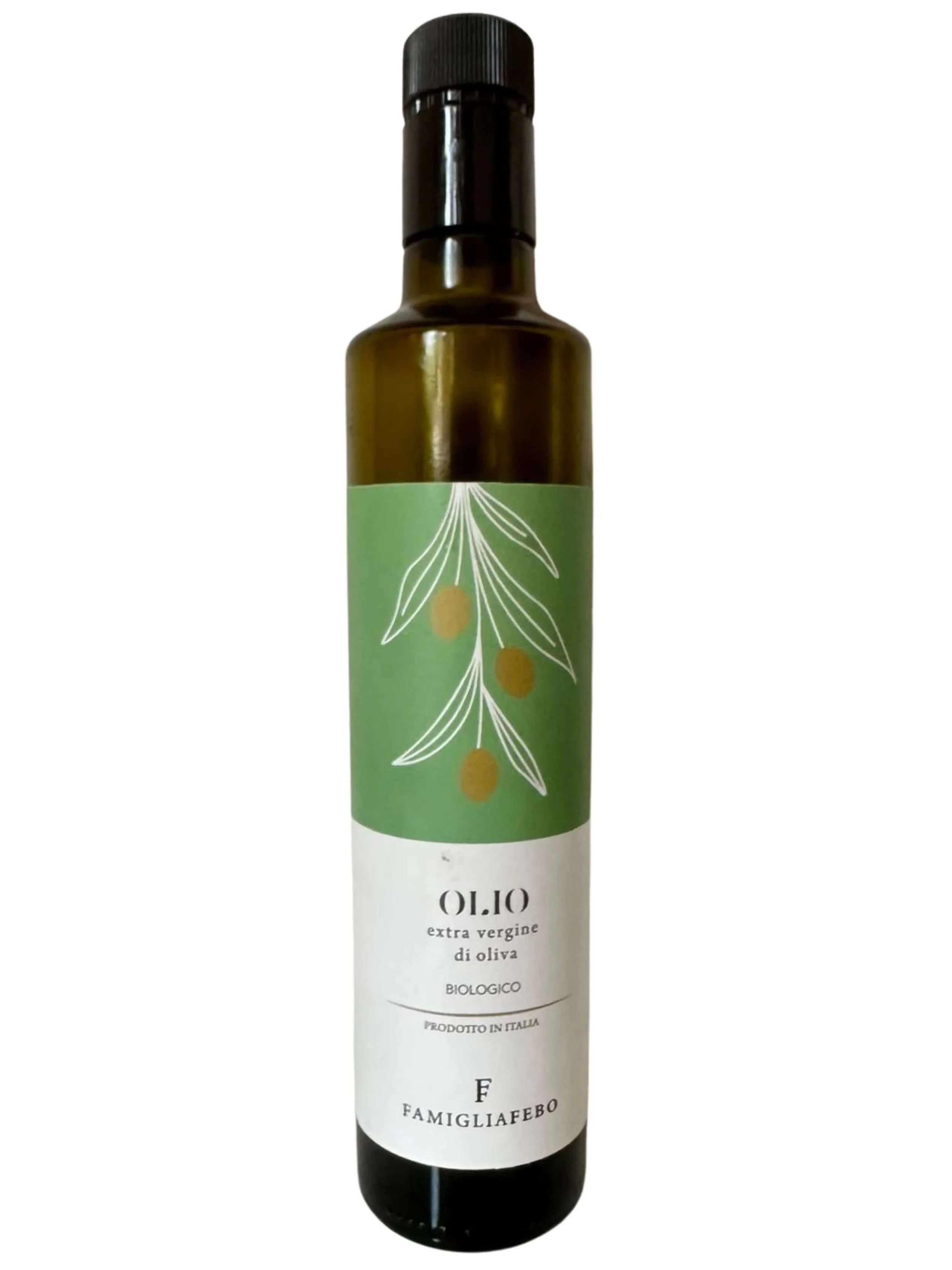
From the hills of Abruzzo near the Adriatic Coast of Italy, comes this Organic EVOO, or Extra Virgin Olive Oil, farmed and made by the Febo family. Farmed sustainably and organic, this natural extra virgin olive oil is also vegan and, like all evoos, a first run - cold press olive oil, the best kind of olive oil for you.
The 2024 harvest is still made from a blend of olives like leccino and 500 year old trees, but now it is mostly the dritta cultivar.
Farming & Winemaking Highlights: Regenerative Agriculture | Sustainable Farming | Biodynamic | Vegan | No additives | Unfiltered | Organic
Fun Facts: The dritta cultivar is a rare one being saved by Davide Febo who is trying to save and rehabilitate it.
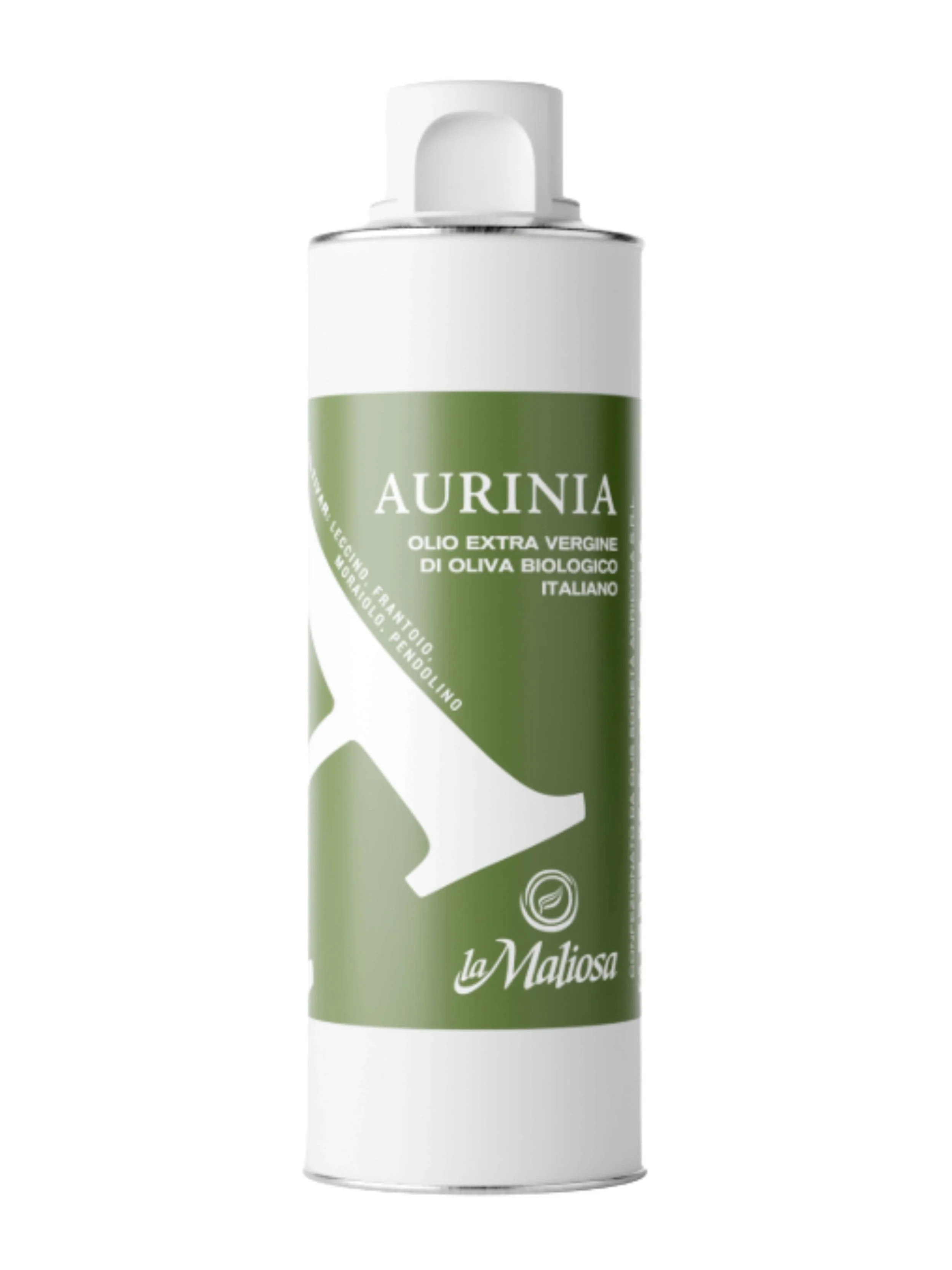
This is a woman made, limited production first cold press organic Extra Virgin Olive Oil from the Maremma hills of Tuscany made from a blend of four Tuscan cultivars. Buttery deliciousness with a bitter kick at the end, thanks to its polyphenols. It has won gold medals in a competition which judges the best extra virgin organic olive oils from around the world.
Farming & Winemaking Highlights: Regenerative Agriculture | Sustainable Farming | Biodynamic | Vegan | No additives | Unfiltered | Organic | Metodo Corino
Fun Facts: The natural farming method that produced this extra virgin olive oil, the metodo corino, is actually patented by La Maliosa woman winemaker Antonella Manuli after she helped to develop it with natural wine legend Lorenzo Corino of Case Corini.
Try More Wines from Monferrato
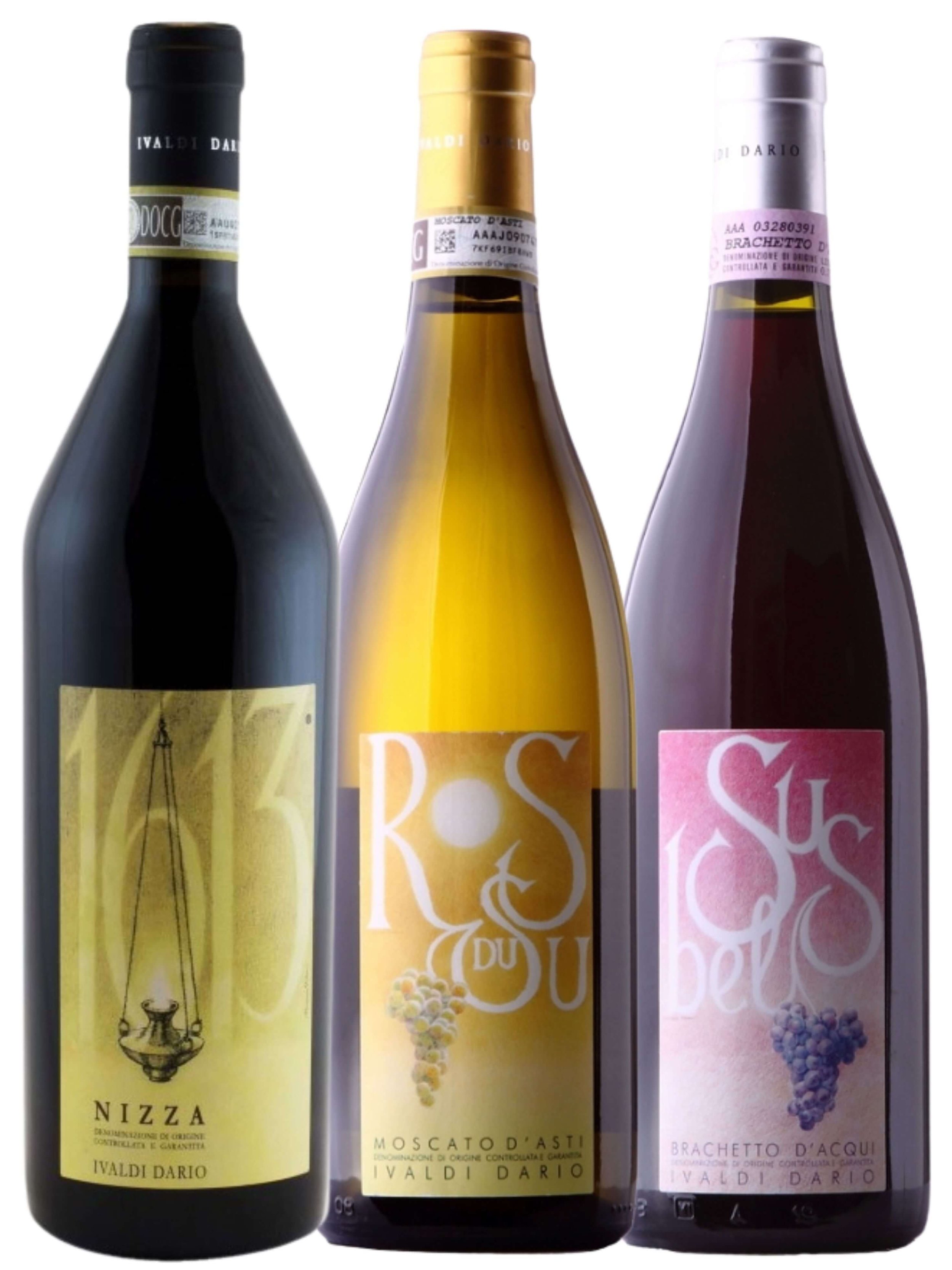
Nestled just a few hills over from the Langhe winemaking zone of Piedmont in Northern Italy, is Asti and the Monferrato. Locals in Piedmont know, that the Nizza DOCG from the Monferrato is a sure-fire win in your wine glass. But perhaps one of the most famous exports of the Monferrato, is Moscato d’Asti, a sweet and delectable semi sparkling wine made with the aromatic Moscato grape. Also lesser known is the similarly sweet and semi-sparkling (or frizzante) red wine made with another aromatic grape, Brachetto d’Acqui.
So it is no wonder why a 4-generation winery like Ivaldi in Nizza Monferrato cultivates and crafts all three wines! Try them all in this tasting trio to discover the best Monferrato wines, and with shipping included in the Continental US on any order with this set, why don’t you add on other wines from Ivaldi, like their sparkling Alta Langa?
A certified sustainable winery, Ivaldi Dario practices regenerative farming.
This box includes a three pack of these unique farm-to-glass :
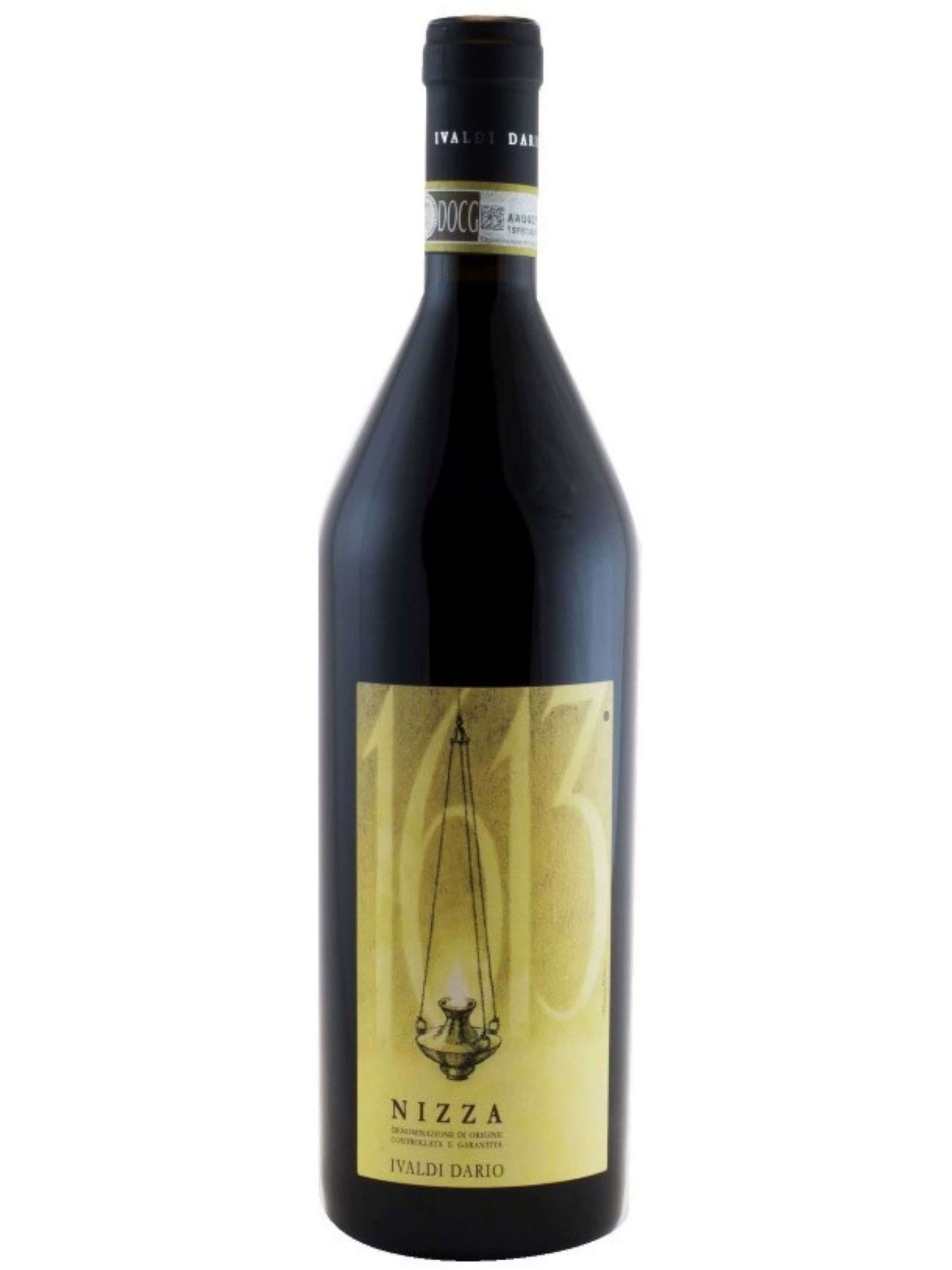
Nizza is the Barolo of Barbera, made from the birthplace of Barbera, Nizza Monferrato, the home of the 4th generation winemaking family, Ivaldi, and place where this wine is grown and made. This Nizza Barbera is a delicious old world style red wine with a rich cherry taste and an incredible mouthfeel.
This Nizza DOCG is made only in the best years, always made with 100% Barbera grapes, but only the best of the best of the Barbera clusters goes into this wine, before it spends 12 months in Slavonian oak barrels then 2 years resting in the bottle.
Made with native yeast fermentation, on the skins for 15 days. it has a pretty ruby red color with garnet reflections. A fruity bouquet transforms into spicy notes as it opens, and on the palate this wine has nice tannins and acidity balanced by a robust body.
The name of this red wine, 1613, is a homage to the siege of Nizza Monferrato in 1613 by the Mantovan army, showing the strong roots the Ivaldi family has to their home town. The women gathered to pray all night, and after the siege was lifted and won by Nizza Monferrato, an oil lamp in the church spontaneously burst into flames, despite the lack of spark and oil. Known as the ‘Miracle of the Lamp’, this wine pays homage to that evening, bearing not only the year as a name, but the image of the oil lamp on the label.
A certified sustainable winery, Ivaldi Dario practices regenerative farming.
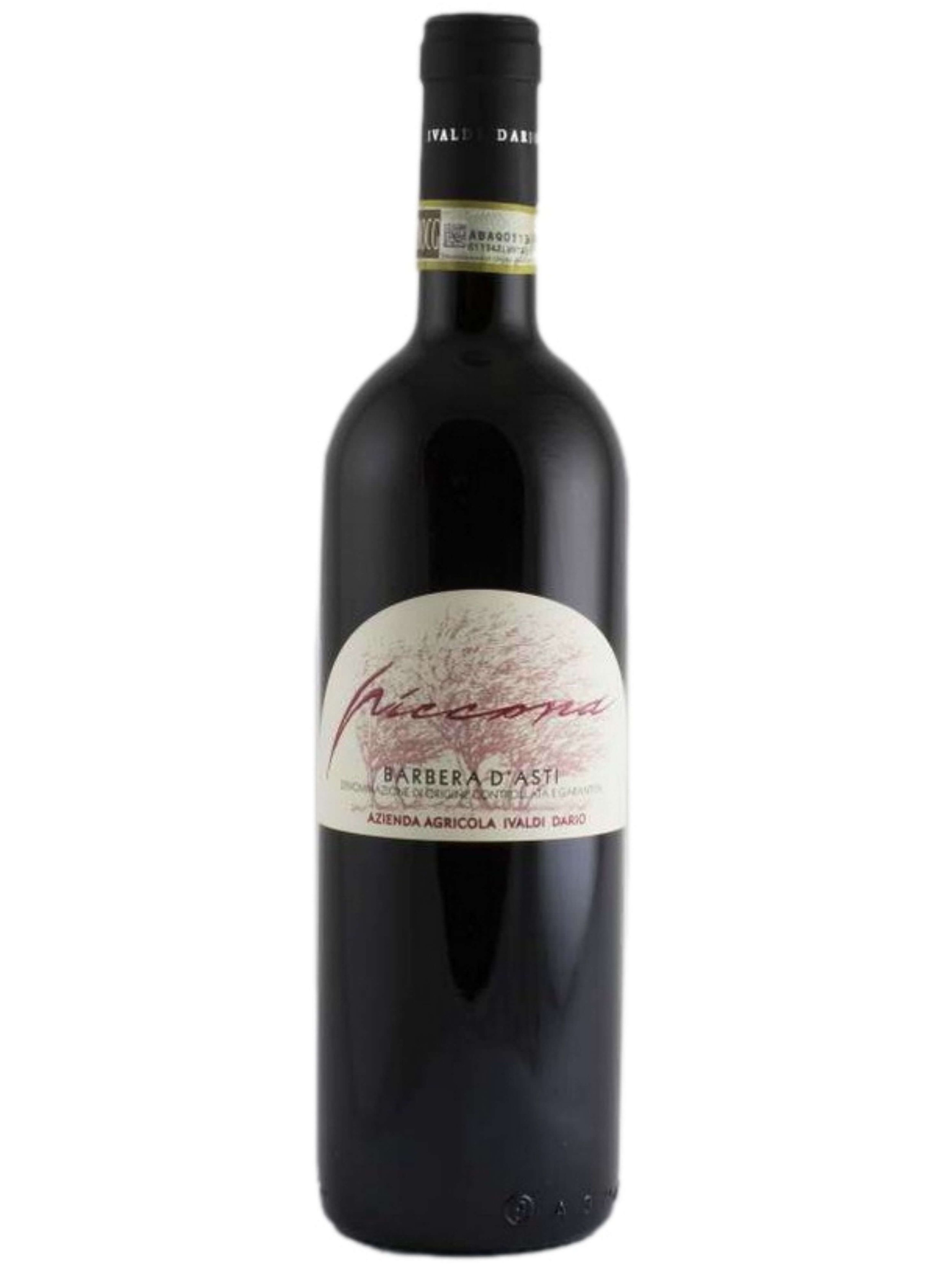
From the prestigious Barbera d’Asti denomination, this Barbera takes its name, Piccona, from the single vineyard where it is harvested in the Monferrato of Piedmont, Italy. A ruby red color, it has a complex bouquet of red fruits and berries. On the palate, the typical Barbera acidity comes through in a pleasant manner, balanced with the tannins and a certain robustness for an overall balanced and persistent wine.
A certified sustainable winery, Ivaldi Dario practices regenerative farming.
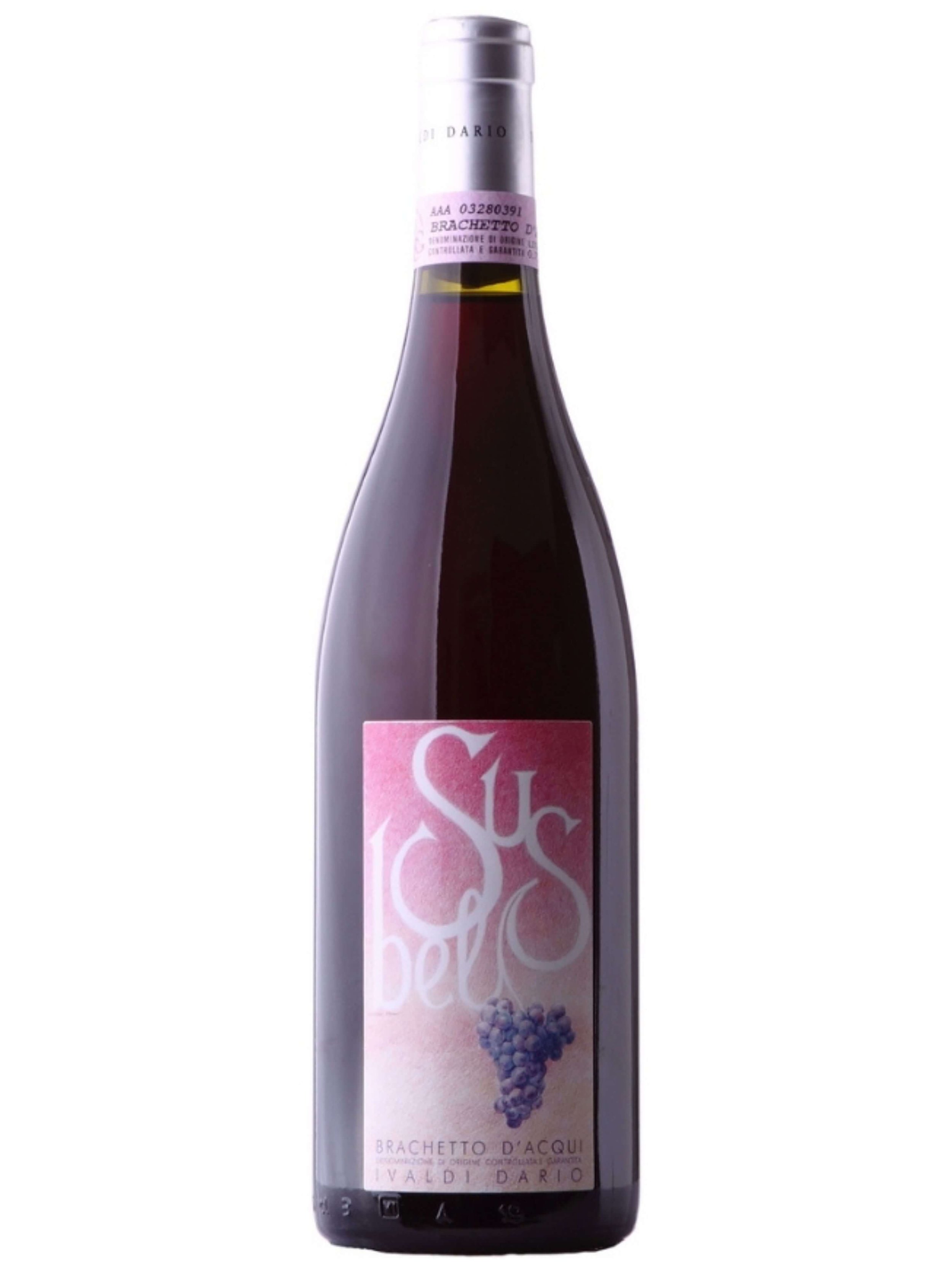
“Can we make Brachetto popular, please?” is how VinePair headlines why this artisanal, aromatic red sweet sparkling wine, just recently imported by us first time to the USA, made it to VinePair’s list of 13 Best Sweet Wines.
An aromatic grape, brachetto, creates a pleasantly slightly sparkling sweet red wine, with delicate rose flower and strawberry notes and strawberry and hibiscus taste. ‘Susbel’, in the local Piemontese dialect of Ivaldi in the Monferrato, refers to the location of the vineyard of this Brachetto d’Acqui, where the sun is bright and well exposed.
Left four days in contact with the skins and fermented with native yeast, this natural wine has a bright and clear light red color, dotted with fine effervescent bubbles. Sipping, the immediate impact is indeed sweet, yet with enough acidity and a hint of tannins to create a harmonious and balanced wine that keeps you coming back for more.
Wonderful to serve slightly chilled to sip with friends in the backyard on a hot summer day, or to serve with fruity desserts. Try pairing it with white or milk chocolate or a savory cheese, like with Humboldt Fog goat cheese - it goes incredibly well. It can also pair with charcuterie. Made with native yeast fermentation and has a residual sugar of 120 g/l.
A certified sustainable winery, Ivaldi Dario practices regenerative farming.
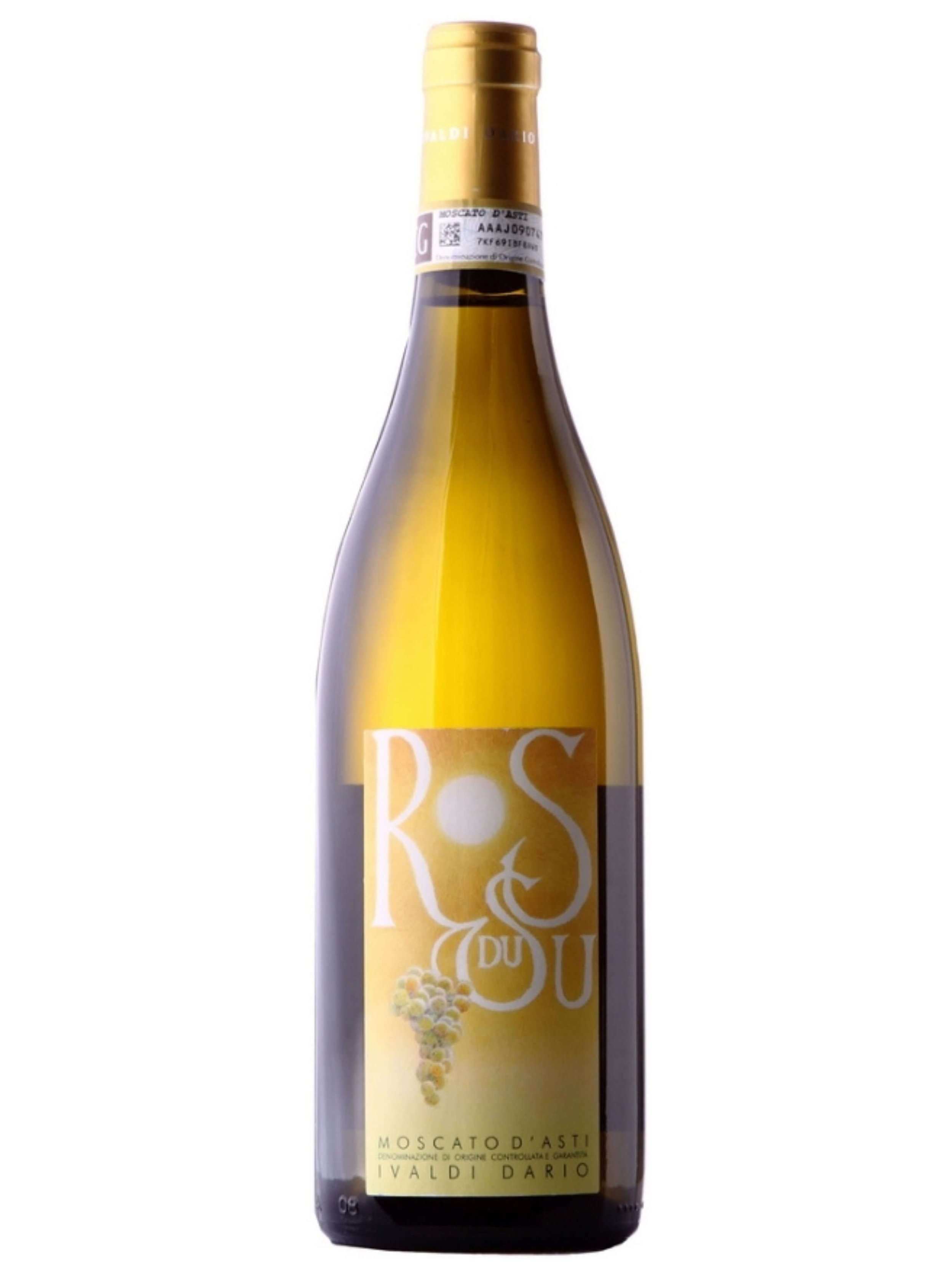
Who doesn’t like chamomile and honey? That’s what this wine reminds you of! It’s a Moscato d’Asti that appeals both to sweet wine lovers and dry wine drinkers wanting a moment with a touch of sweetness.
The name of this wine, Ros du Su, means ‘Rays of Sunlight’ in Piemontese dialect where this Moscato d’Asti comes from. Looking at its bright, golden-yellow color, it is easy to understand the inspiration for this name.
In the glass, the aromatic qualities of moscato are the first noticeable aromas, but underneath subtle and persistent notes of honey and acacia and chamomile flowers come forth creating a complex bouquet. Tasting, the sweetness of the residual sugars are well balanced with freshness and sapidity. A pleasant wine that keeps you sipping, it pairs well with desserts, but is every bit as enjoyable alone in contemplation.
A certified sustainable winery, Ivaldi practices regenerative farming.